
 Business License
Charcoal Briquette Machine: Complete B2B Buying & Operations Guide
**Published on July 21, 2026**
The global charcoal briquette machine market is projected to grow from USD 1.32 billion in 2025 to USD 2.50 billion by 2035, at a CAGR of 6.6%. Yet many B2B buyers still struggle with selecting the right equipment—whether it's a **carbonization furnace** for raw material processing, a **Powder ball press machine** for fine material compaction, or a **Hydraulic Briquette Machine** for high-density output. This guide addresses the critical questions procurement managers and plant operators face: How do you choose the right machine configuration? What is the actual return on investment? And how do you ensure consistent production quality?
The Industry Challenge: Rising Demand, Inefficient Operations
The charcoal and biomass briquette industry is experiencing unprecedented growth, driven by three converging factors:
**Global energy transition**: The biomass briquette fuel market is expected to grow at a CAGR of 7.5% to 8.1% from 2025 to 2031, fueled by increasing demand for renewable energy and eco-friendly fuels.
**Waste-to-energy economics**: Agricultural and forestry residues—often discarded or burned inefficiently—represent a massive untapped resource. According to FAO studies, charcoal yield from woody biomass typically ranges from 28% to 31%, meaning significant value is lost without proper processing equipment.
**Regulatory pressure**: Stricter environmental regulations worldwide are promoting waste-to-energy solutions and penalizing open burning of agricultural waste.
Despite this favorable market environment, many operations face persistent challenges:
**Raw material inconsistency** is a primary bottleneck. Moisture content above 15% can cause briquette cracking and reduced density. **High energy costs** in conventional screw-type presses—with power consumption of 80-120 kWh per ton of raw material processed—can erode profit margins. **Labor inefficiency** in manual or semi-automatic setups limits throughput and increases per-unit costs.
For B2B buyers, these operational pain points translate directly into lost revenue. A production line processing 2-3 tons daily can generate monthly profits of $3,000-$6,000, but only if equipment is properly specified and maintained.
How the Right Equipment Solves These Problems
Selecting the appropriate machine configuration is the single most important decision in establishing a profitable briquette operation. Three equipment categories address distinct production needs:
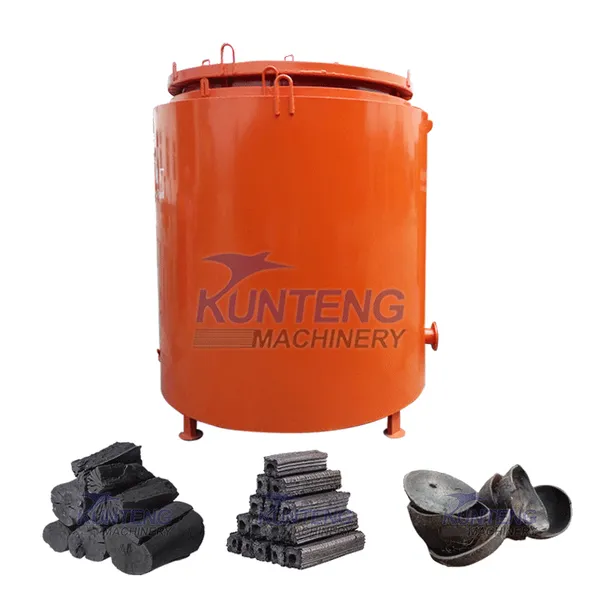
Carbonization Furnace: The Foundation of Quality Charcoal
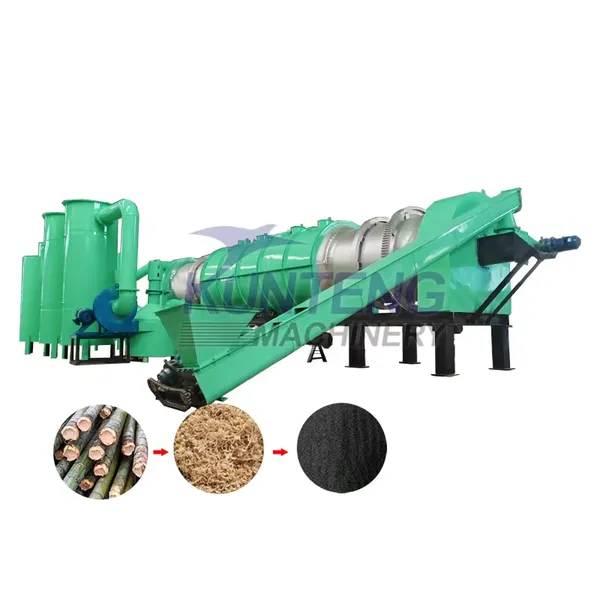
**carbonization furnace** converts raw biomass (wood chips, coconut shells, agricultural residues) into charcoal through an oxygen-limited pyrolysis process. Modern continuous carbonization furnaces achieve carbonization rates of up to 99%, significantly higher than traditional kiln methods. Key advantages include:
**Heat recovery**: Combustible gases generated during carbonization can be captured and reused for drying and pre-heating, reducing overall energy consumption.
**Consistent quality**: Controlled temperature profiles (typically 700°C-800°C) produce uniform charcoal with predictable calorific values.
**Scalability**: From small-batch units to continuous industrial systems processing several tons per day.
Powder Ball Press Machine: Transforming Waste into Value
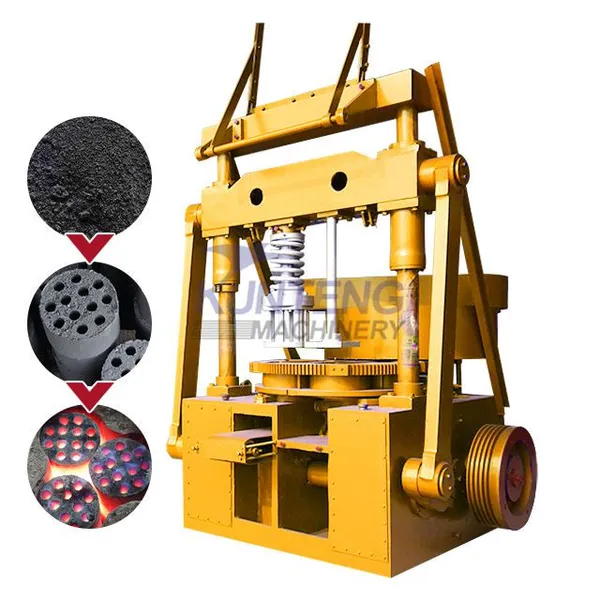
**Powder ball press machine** addresses one of the industry's most persistent problems: what to do with charcoal fines and dust. These machines use high-pressure rollers to compact powdered materials—charcoal dust, coal powder, mineral fines—into dense briquettes or balls.
The economic case is compelling: charcoal dust that would otherwise be discarded (or sold at a fraction of the value) can be converted into marketable fuel with density exceeding 1.1 g/cm³. For operations already producing charcoal, adding a powder ball press machine can increase total usable output by 15-25% with minimal additional raw material cost.
Hydraulic Briquette Machine: High-Density, High-Value Output
**Hydraulic Briquette Machine** uses hydraulic pressure—often 70 tons or more—to compress biomass into exceptionally dense briquettes. Unlike mechanical screw presses, hydraulic systems:
**Produce denser briquettes** without added binders, using only hydraulic pressure, which reduces production costs and improves fuel quality.
**Handle variable feedstocks** more effectively, including high-moisture materials that challenge screw-type machines.
**Offer lower maintenance** due to fewer wear parts and more consistent pressure application.
The power consumption advantage is notable: hydraulic briquetting typically uses 20-30% less energy per ton than screw-type alternatives.
How to Select and Operate Your Charcoal Briquette Machine: A Step-by-Step Guide
B2B buyers frequently ask: *"How do I choose the right charcoal briquette machine configuration for my specific raw materials and production targets?"* This question is critical because mis-specified equipment leads to costly downtime, poor product quality, and extended payback periods.
Step 1: Define Your Feedstock and Output Requirements
The machine type must match your raw material characteristics:
| Feedstock Type | Recommended Machine | Key Consideration |
| Fresh wood chips, sawdust | Screw-type extruder or hydraulic press | Moisture content must be reduced to 8-12% before briquetting |
| Charcoal powder, coal dust | Powder ball press machine | Particle size uniformity critical; grading sieve recommended |
| Mixed agricultural residues | Hydraulic briquette machine | Handles variable feedstock better than screw types |
| Pre-carbonized material | Carbonization furnace + briquetting press | Two-stage process; carbonization first, then briquetting |
For daily production targets:
- **Small-scale** (1-5 tons/day): Semi-automatic machines with 300-800 kg/hour output
- **Medium-scale** (5-20 tons/day): Automatic machines with 1-2 tons/hour output
- **Large-scale** (20+ tons/day): Fully automated lines with 2-5 tons/hour output
Step 2: Evaluate Supplier Technical Capabilities
When evaluating manufacturers, request verification of these performance metrics:
**Briquette density**: ≥1.1-1.2 g/cm³ ensures high calorific value and durability
**Moisture resistance**: Finished briquettes should maintain <8% moisture content
**Output consistency**: Third-party performance reports should verify production rates
**Component quality**: Traceable stainless steel grades (e.g., SUS304) indicate higher build quality
Reputable suppliers will welcome transparency and provide sample test reports. Consider virtual factory tours or third-party inspections for major purchases.
Step 3: Implement Proper Operation and Maintenance Protocols
Once equipment is installed, operational discipline determines profitability:
**Pre-operation checklist:**
- Verify all screw connections are tight, especially heating tube jackscrews
- Check lubrication points; bearings require regular oiling
- Confirm power supply voltage is within specified range
**During operation:**
- Monitor motor temperature; do not exceed allowable limits
- Never insert hands into compression chamber or feed port
- Stop immediately if abnormal noise or vibration occurs
**Maintenance schedule:**
- Daily: Lubricate drive chain
- Weekly: Clean machine thoroughly to remove residual materials
- Monthly: Clean drive chain
- Quarterly: Replace reducer gear oil
- After 8-10 hours continuous operation: Allow 30-minute cooling period for motor and bearings
Real Results: What B2B Buyers Can Expect
The financial case for investing in quality briquetting equipment is well-documented. According to an FAO study on small-scale briquetting plants, an integrated system producing 2 tons per 8-hour shift achieved an ROI of 40%. More recent industry data shows payback periods typically ranging from 6 to 12 months for most operations.
**Case Example: Agricultural Waste Processing**
A medium-sized operation processing 5-20 tons of agricultural residue daily, using a medium-sized briquette machine with 1-2 tons/hour output (priced at approximately $11,000-$22,000 USD), typically achieves payback within 6-12 months. Monthly net profits of $9,000-$12,000 are achievable at 60 tons monthly output.
**Cost comparison:**
- Raw material cost per ton of finished charcoal: $100-$150
- Market price per ton: $200-$300
- Monthly profit (2-3 tons daily output): $3,000-$6,000
For operations using a hydraulic briquette machine, the lower energy consumption (20-30% less than screw-type presses) translates to additional cost savings of 10-15% per ton processed.
Frequently Asked Questions
**Q1: What is the minimum order quantity (MOQ) for commercial briquette equipment?**
MOQ varies significantly by machine type and manufacturer. Small-scale screw-type extruders may have no MOQ beyond a single unit, while custom-engineered hydraulic systems or complete production lines may require orders of 2-5 units. Most reputable manufacturers offer single-machine purchases for pilot projects, with volume discounts for orders of 3+ units. Request specific MOQ terms during initial supplier discussions.
**Q2: What are typical lead times for charcoal briquette machines?**
Standard machines (screw-type extruders, powder ball press machines) typically ship within 15-30 days of order confirmation. Custom-configured hydraulic briquette machines or complete carbonization furnace systems may require 45-90 days, depending on specifications and current production backlog. Factor in additional 2-4 weeks for sea freight and customs clearance for international shipments.
**Q3: Can machines be customized for specific raw materials?**
Yes. Leading manufacturers offer customization for:
- **Roller/bearing materials** matched to specific feedstock abrasiveness
- **Motor power** adjusted to required throughput
- **Briquette size and shape** (round, oval, pillow, square, honeycomb)
- **Automation level** from manual to fully automatic with PLC control
- **Material compatibility** for specialized feedstocks (coconut shells, rice husks, bamboo, etc.)
Discuss your specific raw material characteristics with potential suppliers to ensure optimal configuration.
**Q4: What is the typical return on investment for a charcoal briquette machine?**
Based on industry data from multiple sources, payback periods typically range from 4 to 12 months. Factors influencing ROI include:
- Raw material availability and cost (free agricultural waste vs. purchased materials)
- Local market prices for finished briquettes
- Labor costs and automation level
- Energy costs in your region
The FAO documented a 40% ROI for small-scale briquetting plants, while commercial operators report monthly gross profits of $25,000-$60,000 for larger operations.
Next Steps for Your Briquette Operation
The charcoal briquette market is expanding rapidly, with the global market size expected to reach $2.50 billion by 2035. B2B buyers who invest in the right equipment configuration—whether a **carbonization furnace** for raw material processing, a **Powder ball press machine** for fine material recovery, or a **Hydraulic Briquette Machine** for high-density output—position themselves to capture this growing demand.
To move forward:
1. **Define your production requirements**: Daily output target, raw material type and availability, and finished product specifications.
2. **Request detailed proposals** from 3-5 suppliers, including technical specifications, performance guarantees, and after-sales support terms.
3. **Verify supplier credentials** through third-party performance reports, customer references, and factory audits where feasible.
4. **Calculate your ROI** using the payback metrics provided in this guide, adjusted for your specific local costs and market prices.
The right equipment, properly specified and maintained, transforms agricultural and industrial waste into a high-value, sustainable fuel product—delivering both environmental benefits and strong financial returns.
Recently Posted
-
Multi Layer Mesh Belt Dryer vs Heat Pump Tray Dryer Machine: Which Solves Your Drying Cost Challenge
July 29, 2026Published on July 29, 2026If your production line is bleeding money on energy bills, inconsistent product quality, or labor-intens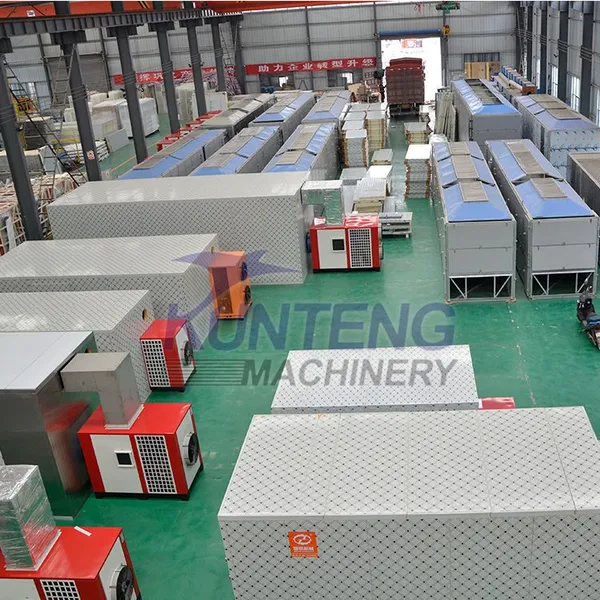 Read More
 -
Municipal Solid Waste Sorting Line Case Study
July 9, 2026Published on July 9, 2026For municipal solid waste (MSW) management companies, rising waste volumes and tightening recycling manda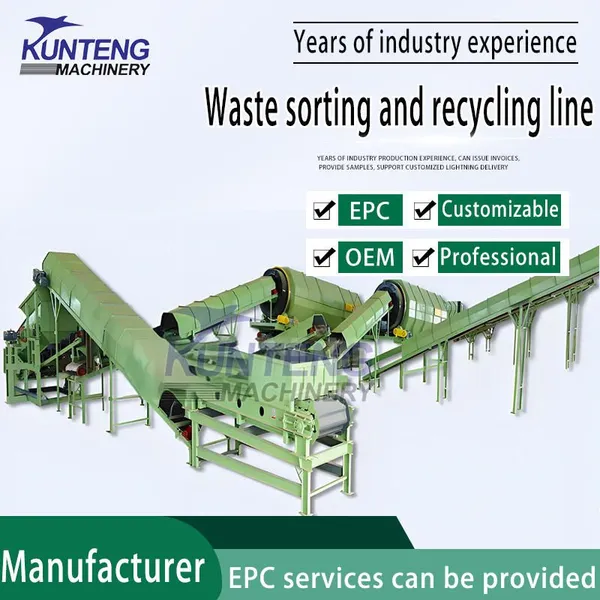 Read More

Contact Us
Recommended Products
-
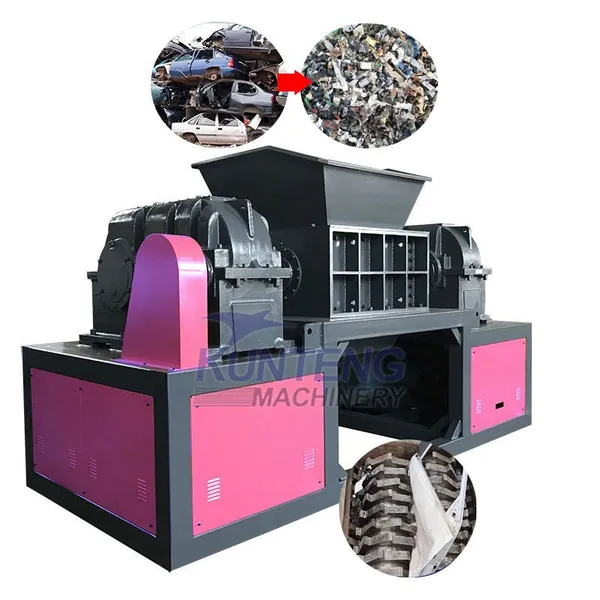
 Continuous Heavy Metals Shredder Damaged Cars Crusher HMS Heavy Melting Steel Scrap Wire MS Iron ShredderNegotiableMOQ: 1 Set
 -
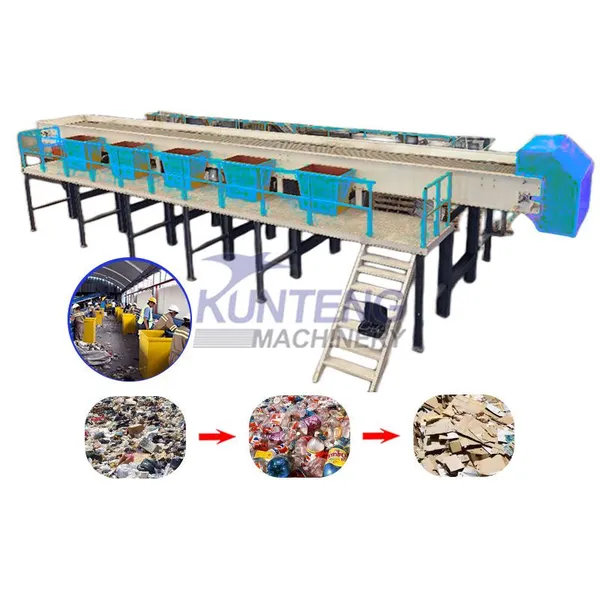
Large Dustbin for Sorting Table With Scrapshoot Hole Waste Segregation Machine Sorting LineNegotiableMOQ: 1 Set
-
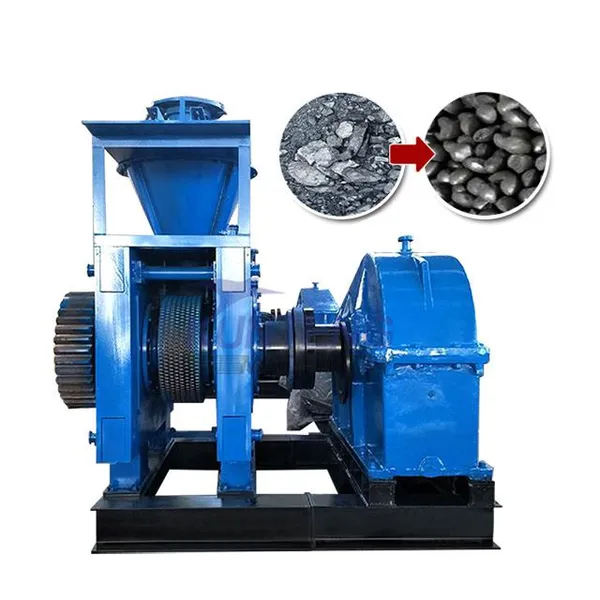
High Productivity Iron Ore Powder Ball Press Machine Mineral Soil Silicon Powder Briquetting MachineNegotiableMOQ: 1 Set
-
Eco-friendly Coconut Shell Charcoal Briquette Making Machine Charcoal Press Machine Bbq Charcoal Production LineNegotiableMOQ: 1 Set
-
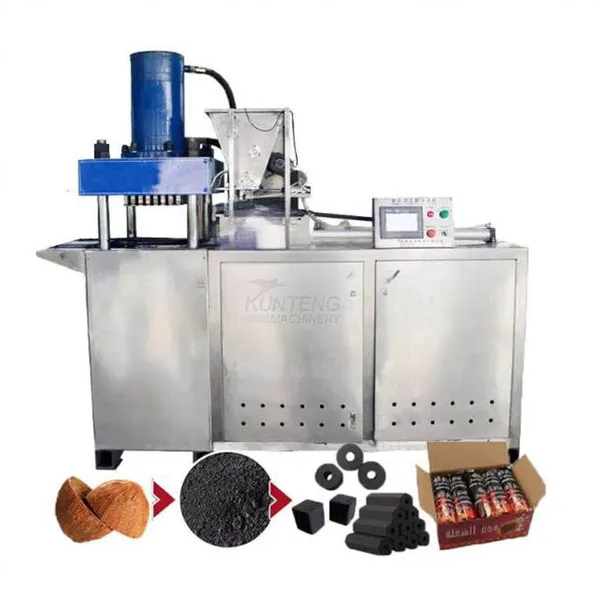
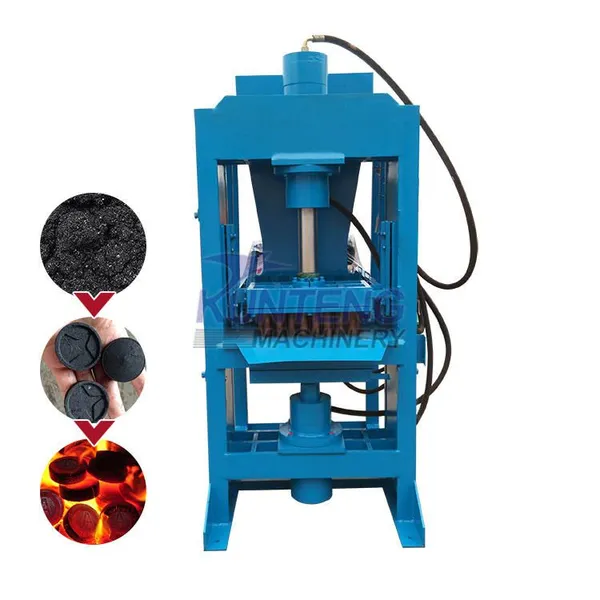
Full Automatic Coconut Charcoal Hydraulic Press Machines Sawdust Charcoal Briquette Machines Biomass Charcoal Briquette MachineNegotiableMOQ: 1 Set
-
Corn Stalk Briquette Making Machine Chicken Manure Biomass Briquetting Extruder Press MachineNegotiableMOQ: 1 Set
-
Small Scale Charcoal Briquette Making Machine Compressed Coal Industry Machines Automatic Extruder Production LineNegotiableMOQ: 1 Set
-
Automatic Eco-Friendly Vertical Hosting Carbonization Furnace Horizontal Sawdust Carbonizer FurnaceNegotiableMOQ: 1 Set
-
Eco-friendly Charcoal Making Machine Carbonization Furnace Continous Carbonization StoveNegotiableMOQ: 1 Set
-
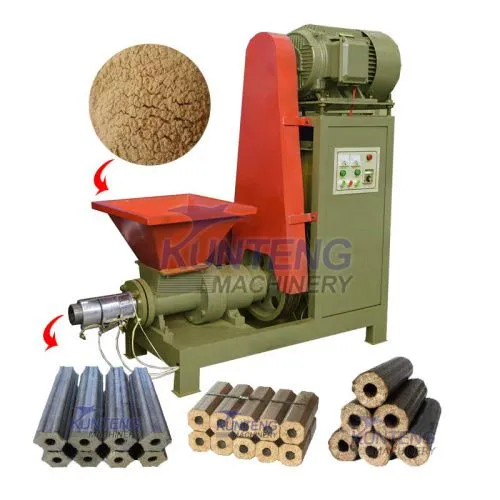
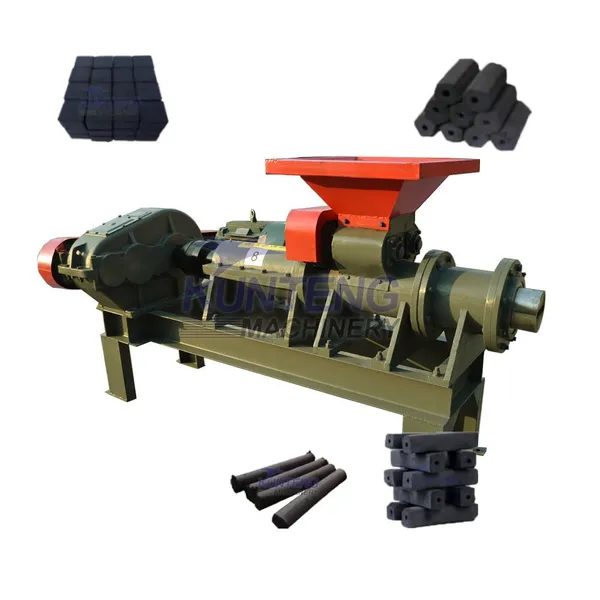
Coal Press Machine Can Customize Honeycomb Coal Forming Machine Commercial Forming MachineNegotiableMOQ: 1 Set
-
Large Commercial High Productivity Freeze Drier Dryer LyophilizerNegotiableMOQ: 1 Set
-
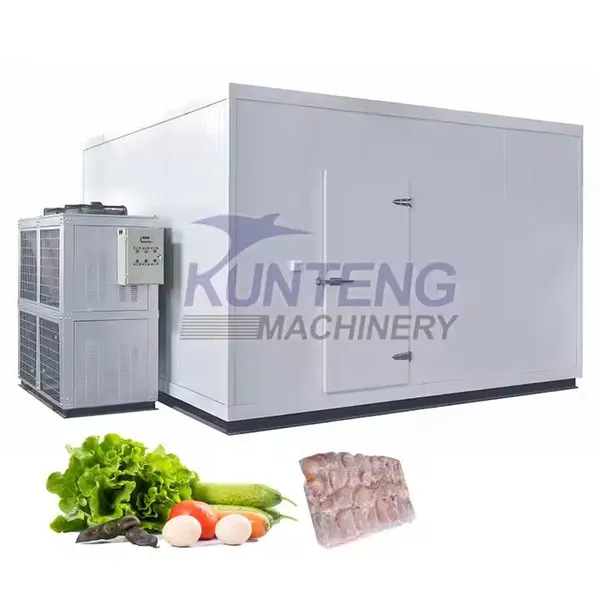
Monoblock Freezer Blower -18c Cold Storage Cold Room Kits CoolingNegotiableMOQ: 1 Set
-
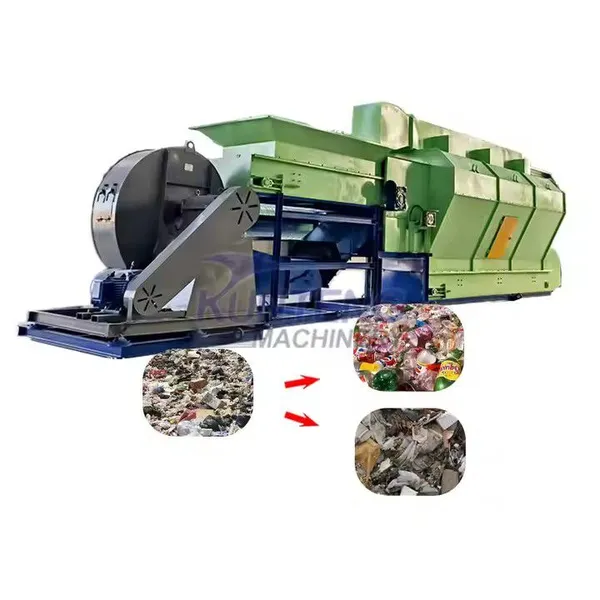
Professional Air Flow Separation Machines Air Separation System for Waste SortingNegotiableMOQ: 1 Set
-
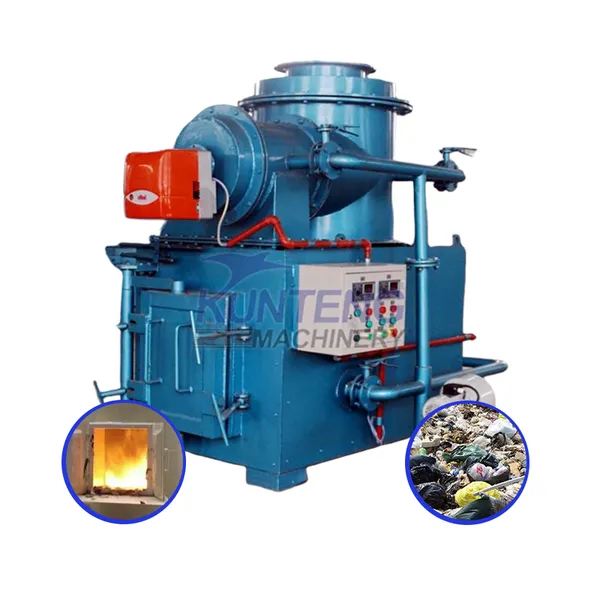
Smokeless Waste Incineration Machine Garbage IncineratorNegotiableMOQ: 1 Set
-
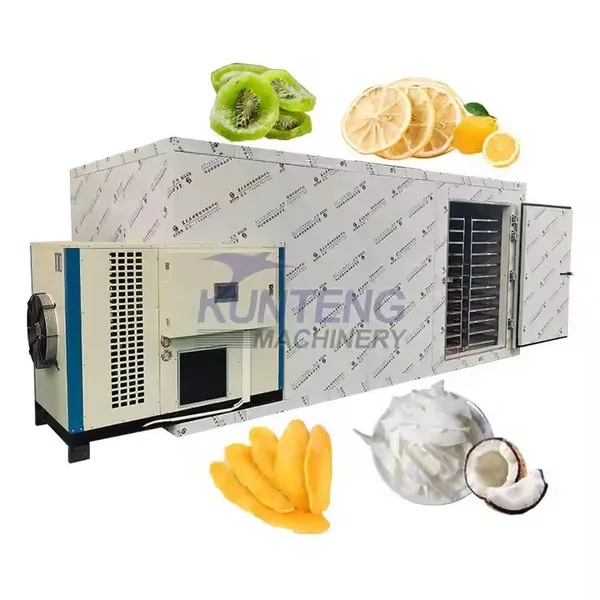
Fruit and Vegetable Drying Processing Machine Grape Raisin Drying Machine Mango Dryer MachineNegotiableMOQ: 1 Set
-
Trommel Screen Machine Construction Waste Sorting EquipmemtsNegotiableMOQ: 1 Set
-
Municipal Solid Waste Converts to RDF Machines Waste Plastic to Fuel Machine Waste Recycling PlantNegotiableMOQ: 1 Set
-
High Capacity Teak Drying Chamber Timber Formwork Dry Machine Wood Drying EquipmentNegotiableMOQ: 1 Set
-
Smart Waste Plastic Crusher and Baler Machine Recycling Machine for Plastic Waste to Make BricksNegotiableMOQ: 1 Set
-
New Design Waste Separation Machine Trommel Screen Machine for Rubbish Garbage Sorting Plant LineNegotiableMOQ: 1 Set