
 Business License
Multi Layer Mesh Belt Dryer vs Heat Pump Tray Dryer Machine: Which Solves Your Drying Cost Challenge
Published on July 29, 2026
If your production line is bleeding money on energy bills, inconsistent product quality, or labor-intensive batch drying, you are not alone. Industrial drying consumes roughly 12% of all energy used in manufacturing — equivalent to 1.2 quadrillion BTUs annually, according to an IEEE analysis citing U.S. Department of Energy data-45-. For many food processors, chemical manufacturers, and pharmaceutical producers, drying can account for 60–70% of total production costs-.
The question is not whether you need better drying equipment — it's which technology fits your operation: a Multi layer Mesh belt dryer for continuous high-volume production, or a Heat pump tray dryer machine for batch flexibility and premium energy savings. This guide breaks down both options with real-world data, so you can make a procurement decision that delivers measurable ROI.
The Industry Challenge: Energy Waste and Inconsistent Quality
Drying is one of the most energy-intensive unit operations in manufacturing. A 2023 study published in IEEE Xplore noted that industrial drying accounts for approximately 12% of total end-use energy in manufacturing-. The U.S. Department of Energy estimates that implementing more efficient process controls and new drying technologies could reduce this consumption by roughly 40% — translating to up to $8 billion in annual operating cost savings across U.S. industry-45.
Beyond energy waste, traditional drying methods often produce uneven results. A 2025 study in Applied Thermal Engineering investigating multi-tray heat pump-hybrid systems found that airflow distribution inconsistencies can cause drying rate disparities of up to 20% between different trays in multilayer configurations-36. This means some batches emerge over-dried while others remain under-dried — a problem that directly impacts product quality, shelf life, and customer satisfaction.
Meanwhile, the global industrial dryers market reflects growing urgency for better solutions. Grand View Research estimated the market at USD 8.24 billion in 2025, with projected growth to USD 11.3 billion by 2033 at a 4.2% CAGR-3. Another analysis from Research and Markets valued the market at USD 5.22 billion in 2025 with a 5.4% CAGR through 2034-1. The key driver across all reports? Energy efficiency, heat recovery, and automation-1-3.
Multi Layer Mesh Belt Dryer: Continuous Drying for High-Volume Production
The Multi layer Mesh belt dryer is a continuous, through-flow drying system designed for sheet-type, strip-type, and granular materials with good ventilation-. Material moves on stacked mesh belts through a heated chamber, with hot air passing through the product layer from top to bottom or bottom to top-.
How it works: Product is fed onto the top belt at a controlled rate. As the belt advances through heated zones, hot air circulates through the mesh and the material bed. Multiple layers allow the product to tumble or transfer between belts, exposing fresh surfaces for uniform drying. Each heating zone can have independent temperature control, enabling precise moisture removal profiles-49.
Key applications:
Food processing: fruits (apple slices, mangoes), vegetables (carrots, peppers), snacks (potato chips, nuts), aquatic products-49
Agriculture: grains, medicinal herbs (ginseng, chrysanthemum)-49
Chemical industry: plastic particles, pigments, temperature-sensitive materials-49
Pharmaceuticals: herbal extracts, granulated materials-
Advantages for B2B buyers:
Continuous operation — runs 24/7 with minimal manual intervention
Uniform drying — multi-layer design with independent zone control reduces moisture variation
Compact footprint — multilayer stacking saves floor space compared to single-layer or tray systems-
Scalable — modular design allows customization of belt layers and conveyor speed-49
One recent Australian food processing project using a multi-layer mesh belt dryer processed 1–2 tonnes of organic fruits and vegetables per shift, solving the inconsistency issues of traditional dryers-49. The system achieved a heat recovery rate exceeding 85%, cutting energy costs by 30% compared to conventional models-49.
Heat Pump Tray Dryer Machine: Batch Flexibility with Premium Efficiency
The Heat pump tray dryer machine takes a fundamentally different approach. Instead of continuous conveying, it uses stacked trays inside an insulated chamber, with a heat pump system that recirculates and reheats air — capturing and reusing latent heat that conventional dryers exhaust into the atmosphere-.
How it works: Wet material is loaded onto trays and placed in the drying chamber. The heat pump extracts heat from the air, raises its temperature, and circulates it through the tray stack. Moisture-laden air passes through an evaporator where water condenses out, and the dehumidified air is reheated and recirculated. This closed-loop design means virtually no heat is wasted-.
Key applications:
Food: fruit slices, vegetables, herbs, spices, meat jerky
Pharmaceuticals: heat-sensitive active ingredients, botanical extracts
Specialty chemicals: small-batch or high-value materials requiring gentle drying
R&D and pilot plants: where batch flexibility and process validation are critical
Advantages for B2B buyers:
Up to 50% energy savings compared to conventional electric dryers, thanks to heat recovery-
Superior efficiency metrics — one study found heat pump dryers achieved a Specific Moisture Extraction Rate (SMER) of 2.175 kg/kWh, 2.22 times greater than electric heater dryers at 1.224 kg/kWh-
Gentle drying — lower operating temperatures (typically 40–80°C) preserve product color, nutrients, and active compounds-
Clean operation — closed system means no exhaust emissions, no odor release, and no contamination risk-
A 2024 exergetic performance assessment found that heat pump dryers achieved exergetic efficiency values ranging from 72.72% to 75.66%, compared to 37.94–39.46% for tray dryers and 22.83–24.07% for fluid bed dryers-. This efficiency gap translates directly to your bottom line.
How to Choose Between Multi Layer Mesh Belt Dryer and Heat Pump Tray Dryer Machine
This is the long-tail question every procurement manager asks: "How to choose between a continuous mesh belt dryer and a batch heat pump tray dryer for my production line?"
Here is a step-by-step decision framework:
Step 1: Assess your production volume and continuity
High volume, continuous production ( > 500 kg/hour, 24/7 operation ) → Multi layer Mesh belt dryer is your workhorse. It handles consistent throughput with minimal labor.
Variable batch sizes, multiple product SKUs, or R&D → Heat pump tray dryer machine offers the flexibility to run different products in separate batches without cross-contamination.
Step 2: Evaluate your energy cost structure
If electricity is expensive and you have high utilization, the heat pump's 40–50% energy savings deliver faster payback-.
If you have access to waste heat or low-cost fuel (steam, biomass), the mesh belt dryer's heat recovery system (85%+ recovery rates) can be equally cost-effective-49.
Step 3: Consider product characteristics
Fragile, heat-sensitive, or high-value materials → Heat pump tray dryer's lower temperatures (40–80°C) and gentle airflow minimize degradation-.
Durable, granular, or sheet-type materials → Mesh belt dryer's through-flow design handles high volumes without damaging product integrity-.
Step 4: Factor in labor and automation
Mesh belt dryers with PLC control systems can reduce manual intervention by up to 60%-49.
Tray dryers require loading and unloading labor but offer more control over individual batch parameters.
Step 5: Calculate total cost of ownership
Include initial capital, installation, energy consumption, maintenance, labor, and downtime.
A mesh belt dryer's continuous operation maximizes throughput per square meter of floor space-.
A heat pump tray dryer's energy efficiency reduces recurring operational costs — one analysis found operating costs at roughly 30% of electric boiler systems-.
Real-World Results: What Buyers Are Achieving
Case 1: Australian Organic Fruit Processor
A mid-sized food processor switched from a traditional hot-air dryer to a Multi layer Mesh belt dryer. Results: 1–2 tonnes processed per shift, consistent quality across batches, 30% energy cost reduction, and 85%+ heat recovery-49. The payback period? Under 18 months based on energy savings alone.
Case 2: Asian Herbal Extract Manufacturer
A traditional Chinese medicine producer needed to dry temperature-sensitive botanical materials without losing active compounds. They installed a customized Heat pump tray dryer machine with precise temperature control. The closed-loop system eliminated contamination risk, preserved product potency, and reduced energy consumption by approximately 50% compared to their previous electric heating system-.
Case 3: Southeast Asian Coconut Processing Facility
A coconut processor dealing with sticky, high-moisture material adopted a multi-layer mesh belt dryer with adjustable belt speed and zone temperatures. The continuous system eliminated batch-to-batch variation, increased daily throughput by 40%, and reduced labor costs by eliminating manual tray handling.
FAQ: Common Buyer Questions
Q: What is the typical minimum order quantity (MOQ) for these dryers?
A: MOQ varies by manufacturer and configuration. Most suppliers offer single-unit orders for standard models, with customization available for production lines. For pilot-scale heat pump tray dryers, units as small as 10–20 trays are available. For multi-layer mesh belt dryers, minimum configurations typically start at 2–3 layers with 3–6 meters of belt length.
Q: How long is the delivery lead time?
A: Standard models typically ship in 30–60 days. Custom-built systems with specialized materials, zoning, or automation may require 60–90 days. Always confirm with your supplier and factor in shipping, installation, and commissioning time.
Q: Can these dryers be customized for my specific product?
A: Yes. Both technologies offer extensive customization: belt layer count and speed (mesh belt dryers)-49, tray count and chamber size (tray dryers), temperature ranges (typically 35–200°C for mesh belt, 40–80°C for heat pump)-49-, heat source options (steam, gas, electric, heat pump, biomass), and automation level (manual to fully PLC-controlled).
Q: Which dryer is more energy-efficient?
A: Heat pump tray dryers generally offer the highest energy efficiency per kilogram of water removed — up to 50% savings over conventional electric dryers-. However, mesh belt dryers with heat recovery systems (85%+ recovery) can achieve comparable operational cost savings in continuous high-volume applications-49. The right choice depends on your production volume, duty cycle, and energy costs.
Q: How do I maintain these dryers?
A: Both systems require routine cleaning of belts/trays, inspection of heating elements or heat pump components, and calibration of temperature sensors. Mesh belt dryers benefit from periodic belt tension adjustment and tracking. Heat pump systems require refrigerant level checks and compressor maintenance — similar to commercial HVAC systems. Most suppliers offer maintenance contracts and remote monitoring options.
Your Next Step
Choosing between a Multi layer Mesh belt dryer and a Heat pump tray dryer machine is not about which technology is "better" — it's about which one fits your production profile, product characteristics, and financial goals.
If you are running high-volume continuous production with consistent feed materials, the mesh belt dryer delivers throughput, uniformity, and labor savings. If you are processing multiple SKUs, heat-sensitive materials, or operating with high electricity costs, the heat pump tray dryer offers unmatched energy efficiency and batch flexibility.
Ready to evaluate which solution fits your line? Request a process assessment with drying trials on your actual materials. Most reputable manufacturers offer lab-scale testing to validate performance before you commit to capital expenditure.
Recently Posted
-
Charcoal Briquette Machine: Complete B2B Buying & Operations Guide
July 21, 2026**Published on July 21, 2026**The global charcoal briquette machine market is projected to grow from USD 1.32 billion in 2025 to U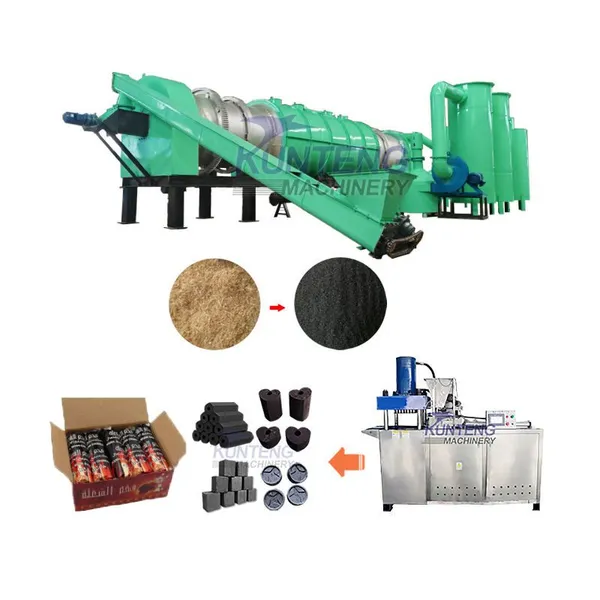 Read More
 -
Municipal Solid Waste Sorting Line Case Study
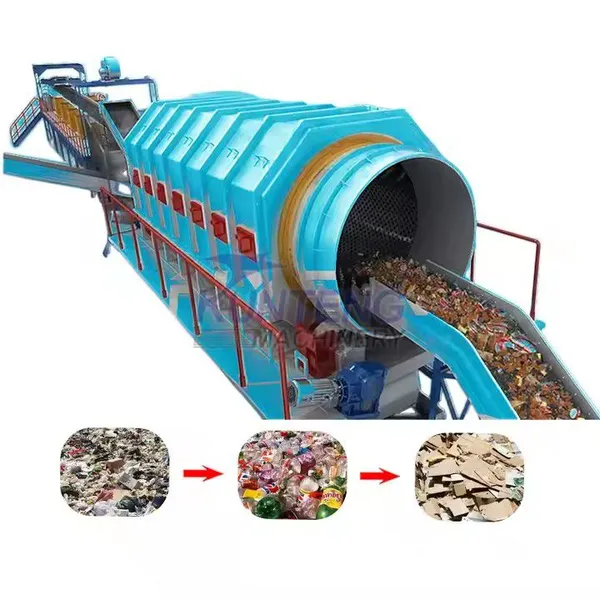
July 9, 2026Published on July 9, 2026For municipal solid waste (MSW) management companies, rising waste volumes and tightening recycling manda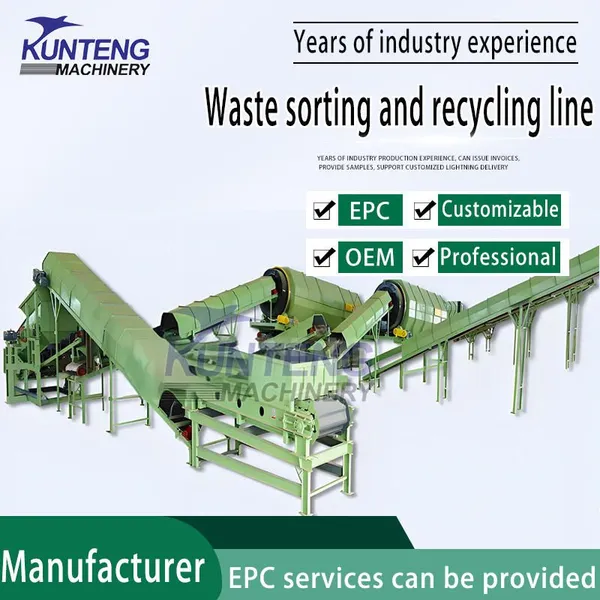 Read More

Contact Us
Recommended Products
-
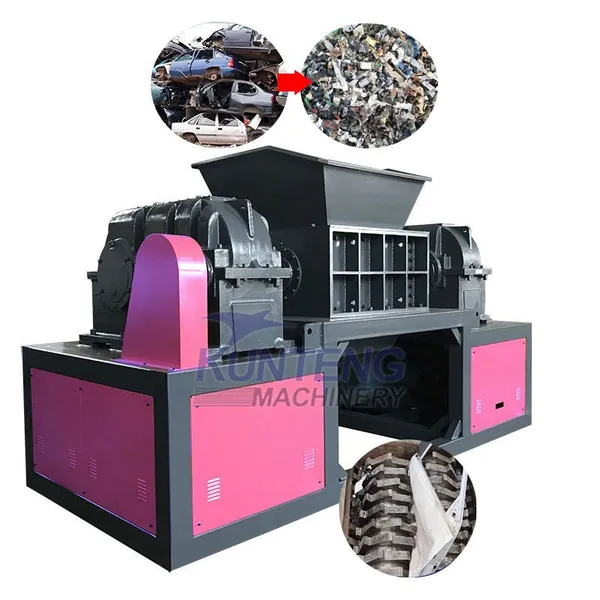
 Continuous Heavy Metals Shredder Damaged Cars Crusher HMS Heavy Melting Steel Scrap Wire MS Iron ShredderNegotiableMOQ: 1 Set
 -
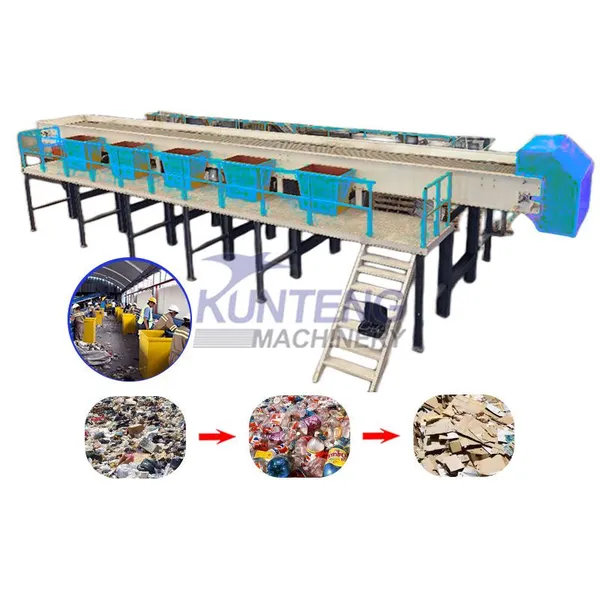
Large Dustbin for Sorting Table With Scrapshoot Hole Waste Segregation Machine Sorting LineNegotiableMOQ: 1 Set
-
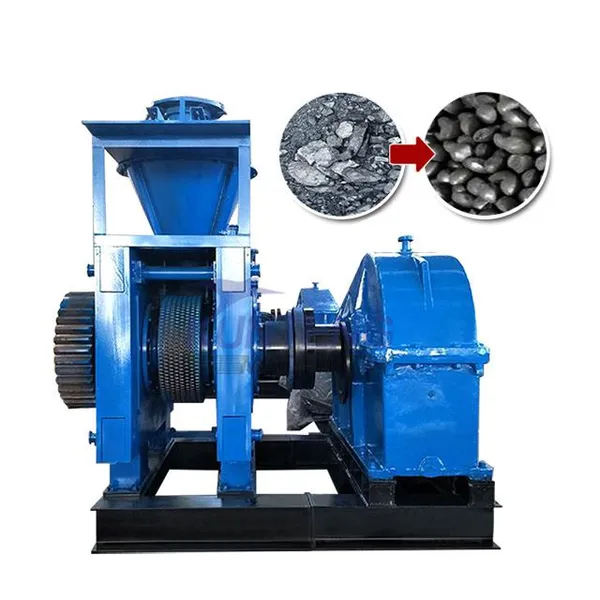
High Productivity Iron Ore Powder Ball Press Machine Mineral Soil Silicon Powder Briquetting MachineNegotiableMOQ: 1 Set
-
Eco-friendly Coconut Shell Charcoal Briquette Making Machine Charcoal Press Machine Bbq Charcoal Production LineNegotiableMOQ: 1 Set
-
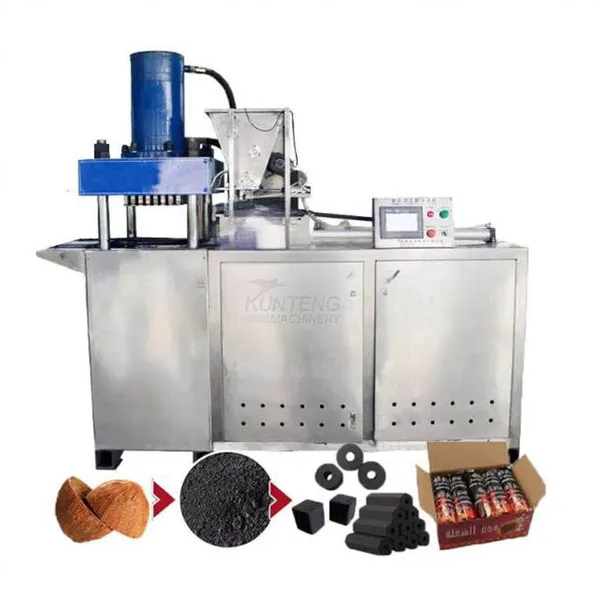
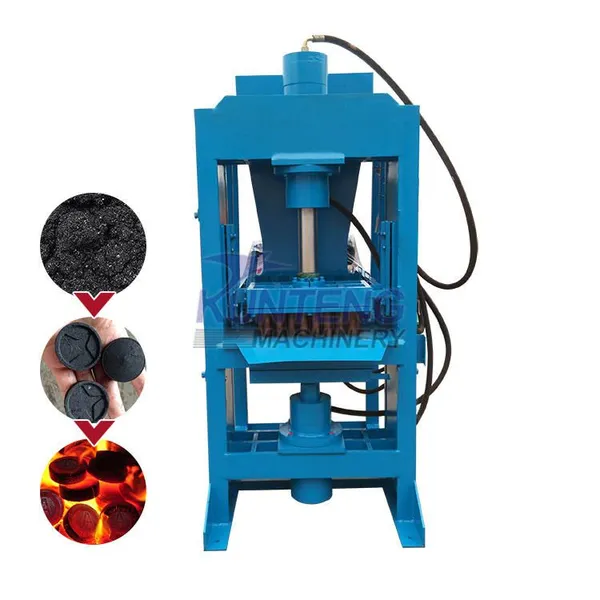
Full Automatic Coconut Charcoal Hydraulic Press Machines Sawdust Charcoal Briquette Machines Biomass Charcoal Briquette MachineNegotiableMOQ: 1 Set
-
Corn Stalk Briquette Making Machine Chicken Manure Biomass Briquetting Extruder Press MachineNegotiableMOQ: 1 Set
-
Small Scale Charcoal Briquette Making Machine Compressed Coal Industry Machines Automatic Extruder Production LineNegotiableMOQ: 1 Set
-
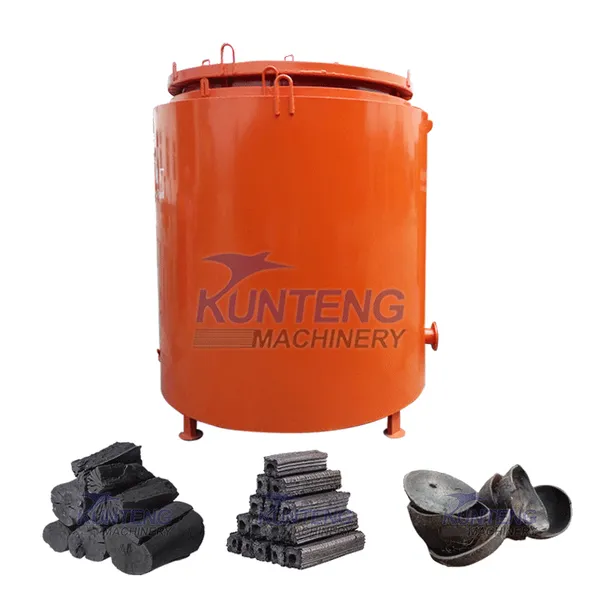
Automatic Eco-Friendly Vertical Hosting Carbonization Furnace Horizontal Sawdust Carbonizer FurnaceNegotiableMOQ: 1 Set
-
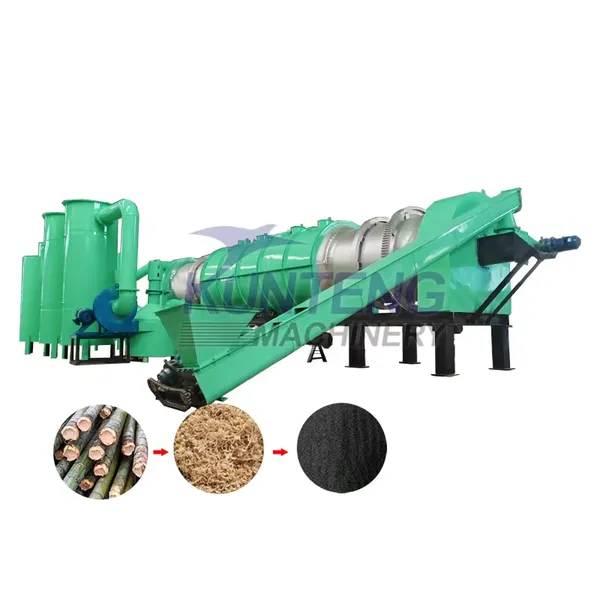
Eco-friendly Charcoal Making Machine Carbonization Furnace Continous Carbonization StoveNegotiableMOQ: 1 Set
-
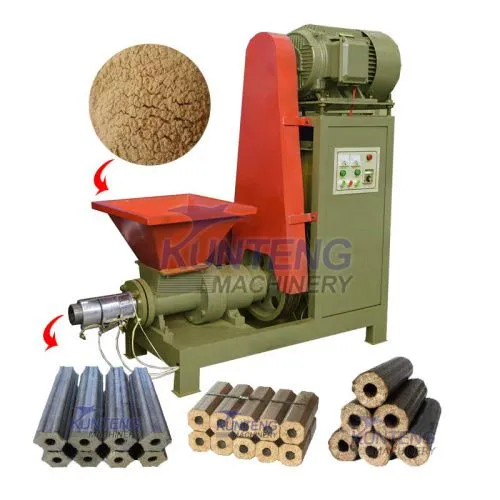
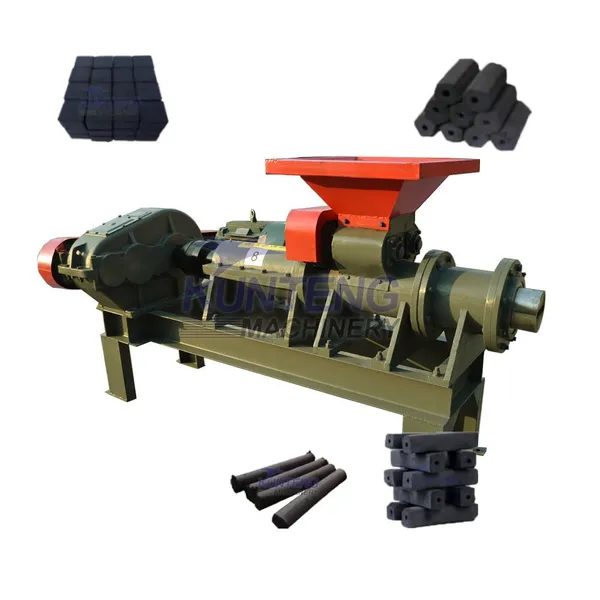
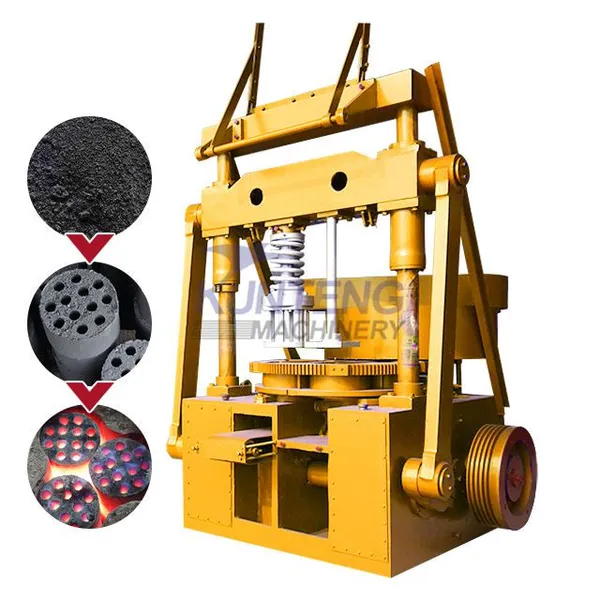
Coal Press Machine Can Customize Honeycomb Coal Forming Machine Commercial Forming MachineNegotiableMOQ: 1 Set
-
Large Commercial High Productivity Freeze Drier Dryer LyophilizerNegotiableMOQ: 1 Set
-
Monoblock Freezer Blower -18c Cold Storage Cold Room Kits CoolingNegotiableMOQ: 1 Set
-
Professional Air Flow Separation Machines Air Separation System for Waste SortingNegotiableMOQ: 1 Set
-
Smokeless Waste Incineration Machine Garbage IncineratorNegotiableMOQ: 1 Set
-
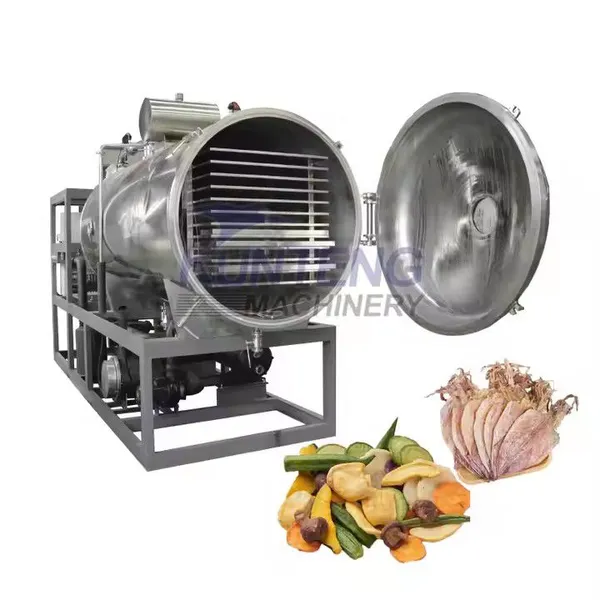
Fruit and Vegetable Drying Processing Machine Grape Raisin Drying Machine Mango Dryer MachineNegotiableMOQ: 1 Set
-
Trommel Screen Machine Construction Waste Sorting EquipmemtsNegotiableMOQ: 1 Set
-
Municipal Solid Waste Converts to RDF Machines Waste Plastic to Fuel Machine Waste Recycling PlantNegotiableMOQ: 1 Set
-
High Capacity Teak Drying Chamber Timber Formwork Dry Machine Wood Drying EquipmentNegotiableMOQ: 1 Set
-
Smart Waste Plastic Crusher and Baler Machine Recycling Machine for Plastic Waste to Make BricksNegotiableMOQ: 1 Set
-
New Design Waste Separation Machine Trommel Screen Machine for Rubbish Garbage Sorting Plant LineNegotiableMOQ: 1 Set