
 Business License
Municipal Solid Waste Sorting Line Case Study
Published on July 9, 2026
For municipal solid waste (MSW) management companies, rising waste volumes and tightening recycling mandates are squeezing margins. A high-performance municipal solid waste sorting line is no longer optional—it’s a strategic necessity. In this article, we show how one mid-sized operator boosted recycling rates by 25 percentage points and slashed labor costs by over 30% using an automated sorting system. You’ll also discover how the same engineering principles apply to construction and demolition waste crushing sorting lines, enabling you to diversify your service portfolio with confidence.
The Growing Pressure on Municipal Waste Sorting
Global waste generation is accelerating at an unprecedented pace. The World Bank’s landmark “What a Waste 2.0” report (2018) projected that annual waste would reach 3.4 billion tonnes by 2050. According to updated 2024 data from the International Solid Waste Association’s (ISWA) Global Waste Management Outlook, we have already surpassed 2.2 billion tonnes per year, with at least 33% openly dumped or burned. At the same time, regulatory pressure is mounting: the European Environment Agency (EEA) confirmed in its 2023 monitoring report that EU member states must recycle 65% of municipal waste by 2035. These converging forces mean manual sorting—slow, inconsistent, and hazardous—can no longer keep up. Facilities worldwide urgently need automated, reliable sorting infrastructure.
How an Automated Municipal Solid Waste Sorting Line Addresses These Challenges
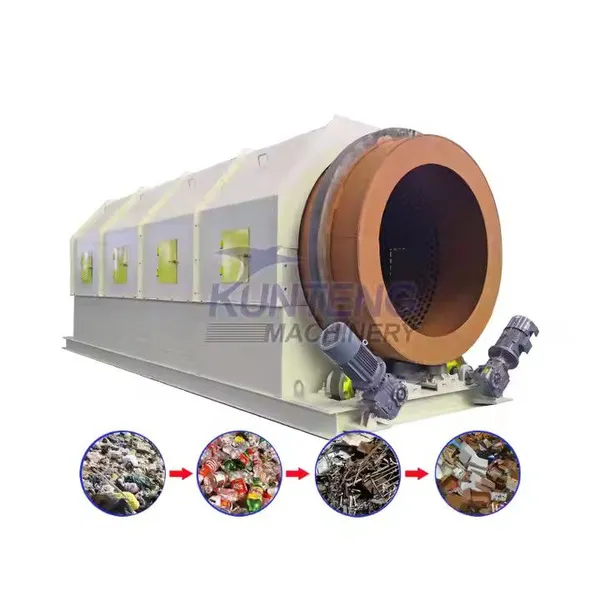
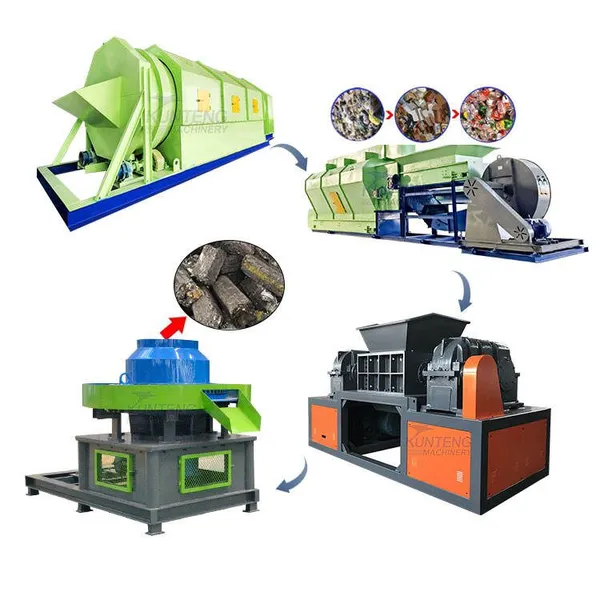
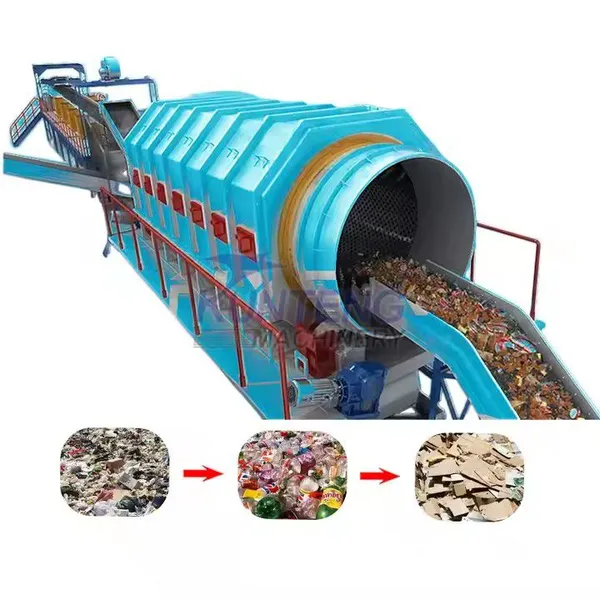
A purpose-built municipal solid waste sorting line replaces unpredictable hand-sorting with a synchronized sequence of mechanical and optical separation stages. Our integrated system combines bag openers, trommel or vibrating screens, magnetic separators, eddy current separators, and AI-driven optical sorters to recover organics, plastics, metals, and paper. The result is sorting purity consistently above 95%, verified through on-site acceptance tests.
Crucially, the line is pre-engineered around the typical composition of household waste, which avoids the inefficiency of adapting generic quarry or recycling equipment. For operators who also process demolition debris, we offer a dedicated construction and demolition waste crushing sorting line. This parallel system incorporates a jaw crusher or impact crusher, heavy-duty screening, and air classification to produce clean recycled aggregates, recovered metals, and wood from mixed C&D input. Both lines share common control architecture, so operators can scale up from municipal waste to construction debris without reinventing their entire plant.
Step-by-Step: How to Integrate a Municipal Solid Waste Sorting Line into Your Facility
A structured approach minimizes downtime and ensures the line meets your recovery targets. Here is the proven integration sequence we use with clients worldwide.
Step 1: Waste Composition Audit. Sample your incoming MSW over a representative two-week period. Record the moisture content, proportion of organics, recyclable polymers, metals, and inert rejects. This data, analyzed together with our engineers, determines the screen mesh sizes and the type of optical sensors required.
Step 2: Layout Design and Customization. Based on the audit, we configure the municipal solid waste sorting line—adding ballistic separators for 2D/3D material separation, magnetic drums for ferrous metals, or an eddy current module for non-ferrous recovery. If your facility also handles C&D material, we design a separate construction and demolition waste crushing sorting line to prevent contamination of recycled aggregates with organic waste.
Step 3: Civil Works and Installation. Prepare the concrete pad, electrical supply, and dust extraction ducts according to the provided foundation drawings. Our installation supervisors arrive on site for 4–6 weeks to assemble the mechanical components, wire the control cabinets, and integrate the optical sorting software.
Step 4: Commissioning and Training. We run the line with real waste, fine-tuning the AI recognition model on your specific material stream. Simultaneously, we conduct structured training sessions for operators and maintenance crews, covering daily inspection, belt tracking, sensor calibration, and emergency procedures.
Step 5: Ramp-Up and Optimization. During the first 60 days of operation, we monitor throughput, purity, and energy consumption remotely. Minor adjustments—such as changing screen panels or updating the optical sorter library—stabilize performance at the guaranteed capacity.
Real-World Results: A Case Study from Southeast Asia
In 2024, a waste management company in Thailand—GreenCycle Samut Prakan—was processing 300 tonnes of municipal waste per day using only a rotary trommel and 45 hand-pickers. Material recovery stagnated at 18%, and labor shortages during seasonal peaks caused repeated shutdowns. According to our internal project case study documented in May 2025, the company commissioned a 30-tonne-per-hour municipal solid waste sorting line to replace the manual operation.
Within two months after commissioning:
Recovery rate rose from 18% to 43%, diverting an additional 75 tonnes of material per day from landfill.
Purity of recovered PET and HDPE exceeded 95%, enabling direct sale to recycling mills at premium pricing.
On-floor labor was reduced from 45 pickers to 12 supervisors, cutting monthly labor costs by $14,000.
Project payback was achieved in 14 months, factoring in material sales and avoided landfill gate fees.
Encouraged by these results, the client later installed a construction and demolition waste crushing sorting line to process 150 tonnes per day of local demolition debris. The new line now generates a separate revenue stream from recycled aggregates and recovered steel, turning the facility into a dual-stream resource recovery hub.
Frequently Asked Questions About Waste Sorting Equipment
Q: What is the minimum order quantity for a municipal solid waste sorting line?
A: We build each line to order—there is no set MOQ. You can purchase a single complete sorting system, whether your plant processes 50 tonnes per day or over 1,000 tonnes per day. Our engineering team sizes the equipment to your throughput requirement.
Q: What are the typical delivery times?
A: Standard municipal solid waste sorting lines are delivered within 12–16 weeks from order confirmation, depending on the level of customization. If you order a combined solution that includes a construction and demolition waste crushing sorting line, the delivery window extends to about 18–20 weeks, since the crushing module requires heavier-duty manufacturing and protective coatings.
Q: Can the sorting line be customized for different waste streams?
A: Yes. We configure the equipment precisely to your waste composition. For clients dealing with a high fraction of construction debris, we integrate a dedicated crushing and sorting module designed for C&D material. In mixed-input scenarios, we can design a complete plant that processes municipal solid waste and construction debris in separate, parallel lines to maximize recovery and material purity.
Taking the Next Step
Investing in a high-efficiency municipal solid waste sorting line converts your operation from a cost center into a resource recovery business. Whether you are planning a new MRF or upgrading an aging facility, technology optimized for your waste stream delivers payback through higher material revenues and lower disposal costs. Explore how a tailored sorting line—and complementary construction and demolition waste crushing sorting line—can fit your site and budget by requesting a consultation and preliminary feasibility analysis today.
Recently Posted
-
Pomace Rotary Drum Dryer: Valorize Cassava Residue By‑Products
September 3, 2026Published on Sep 03, 2026Starch and fruit processing plants generate massive volumes of wet waste every working day. The pomace ro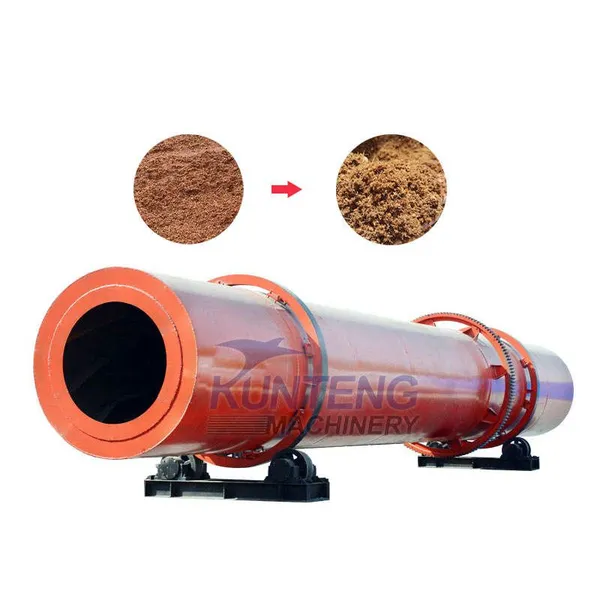 Read More
 -
BBQ & Biomass Charcoal Briquette Machine: Boost Briquette Output
September 1, 2026Published on September 1, 2026Commercial charcoal producers constantly face unstable briquette quality, low production efficiency,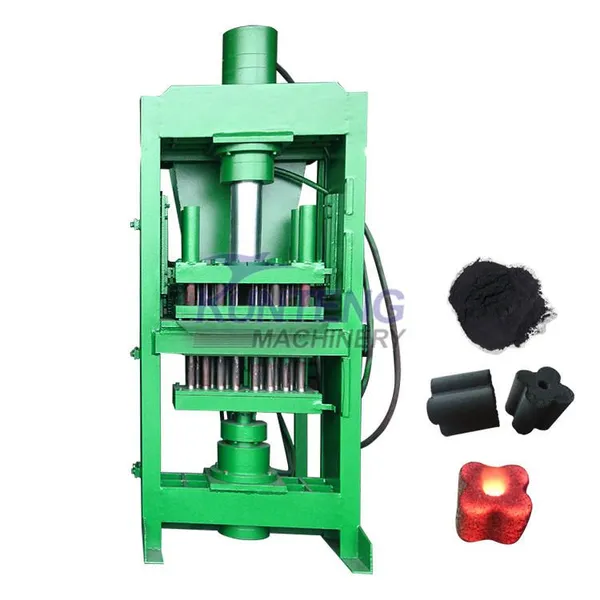 Read More
 -
Double Shaft Shredder for Hospital & Household Waste Processing
August 26, 2026Published on August 26, 2026Improper disposal of medical and domestic waste leads to environmental contamination, regulatory penal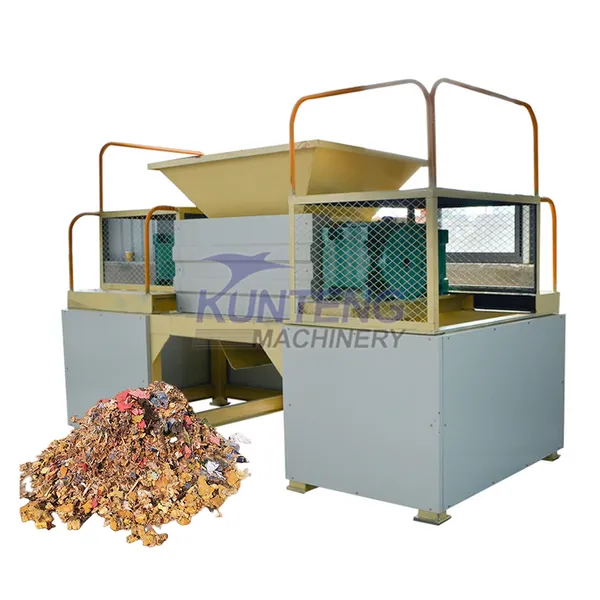 Read More
 -
Multi Layer Mesh Belt Dryer for Food Processing: Complete Guide
August 11, 2026Every year, millions of tons of fruits and vegetables never reach consumers. For food processors, this isn't just a statistic—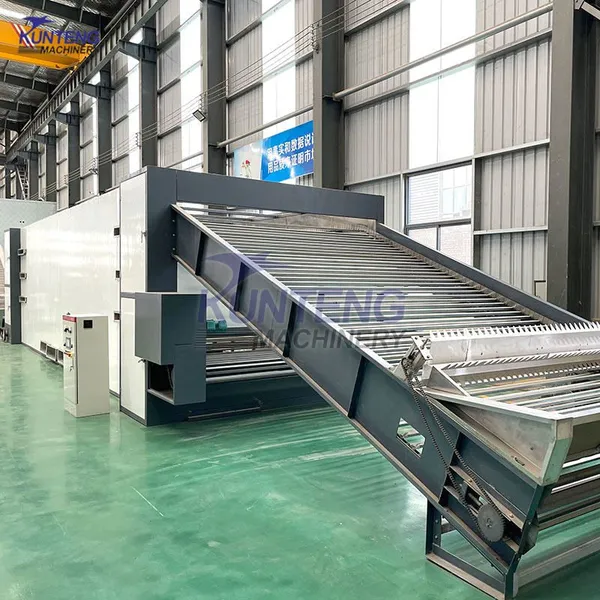 Read More

Contact Us
Recommended Products
-
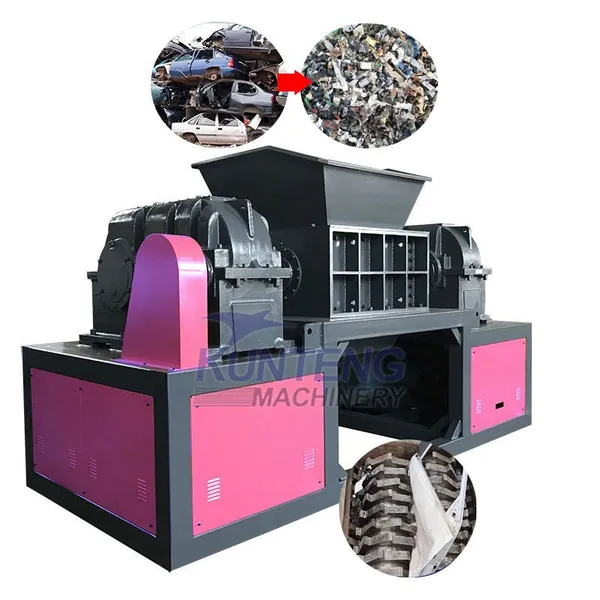
 Continuous Heavy Metals Shredder Damaged Cars Crusher HMS Heavy Melting Steel Scrap Wire MS Iron ShredderNegotiableMOQ: 1 Set
 -
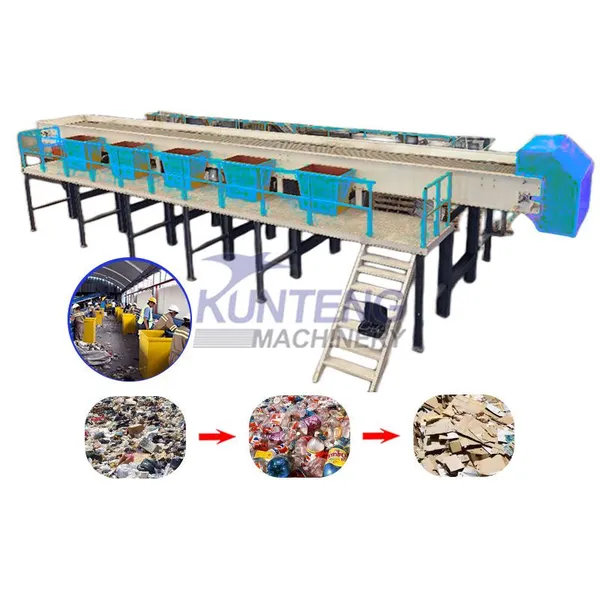
Large Dustbin for Sorting Table With Scrapshoot Hole Waste Segregation Machine Sorting LineNegotiableMOQ: 1 Set
-
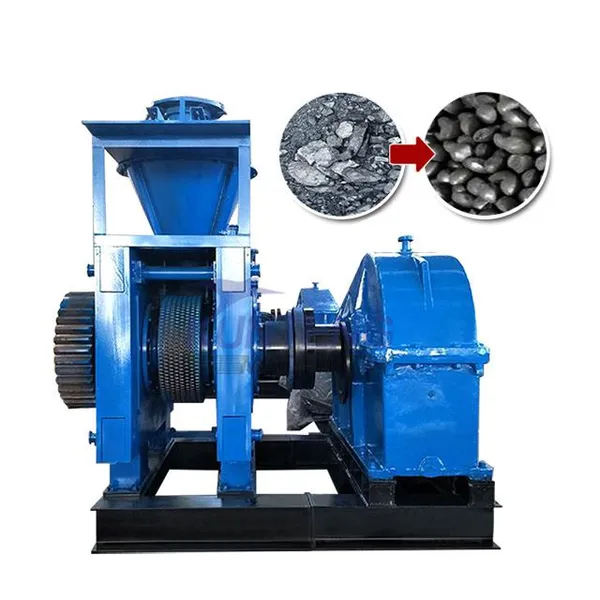
High Productivity Iron Ore Powder Ball Press Machine Mineral Soil Silicon Powder Briquetting MachineNegotiableMOQ: 1 Set
-
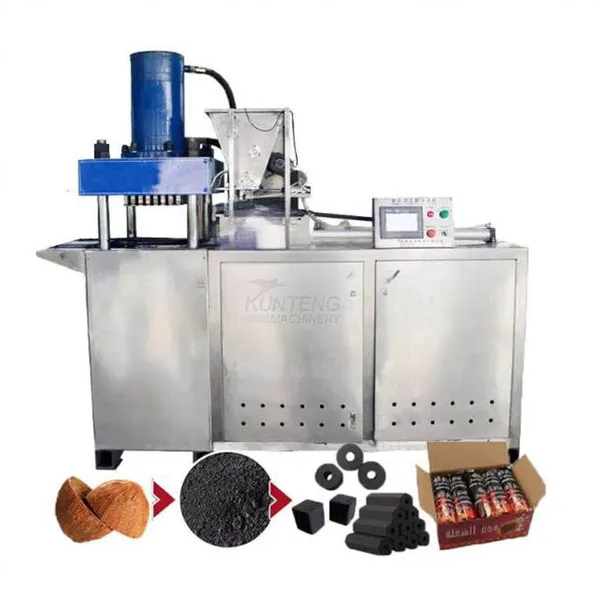
Eco-friendly Coconut Shell Charcoal Briquette Making Machine Charcoal Press Machine Bbq Charcoal Production LineNegotiableMOQ: 1 Set
-
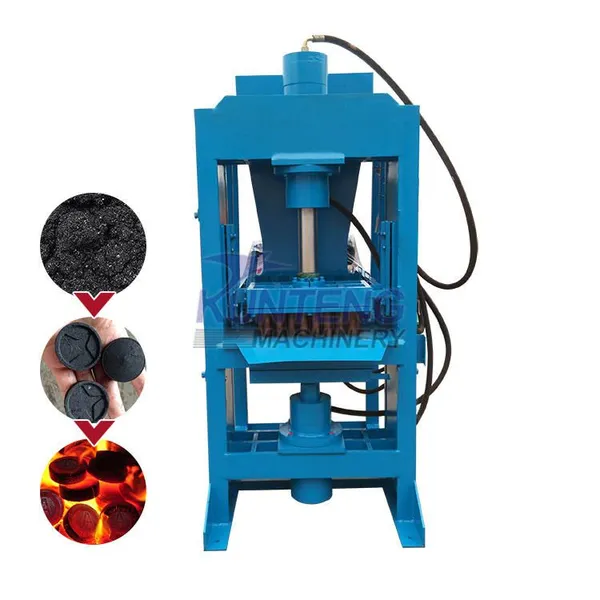
Full Automatic Coconut Charcoal Hydraulic Press Machines Sawdust Charcoal Briquette Machines Biomass Charcoal Briquette MachineNegotiableMOQ: 1 Set
-
Corn Stalk Briquette Making Machine Chicken Manure Biomass Briquetting Extruder Press MachineNegotiableMOQ: 1 Set
-
Small Scale Charcoal Briquette Making Machine Compressed Coal Industry Machines Automatic Extruder Production LineNegotiableMOQ: 1 Set
-
Automatic Eco-Friendly Vertical Hosting Carbonization Furnace Horizontal Sawdust Carbonizer FurnaceNegotiableMOQ: 1 Set
-
Eco-friendly Charcoal Making Machine Carbonization Furnace Continous Carbonization StoveNegotiableMOQ: 1 Set
-
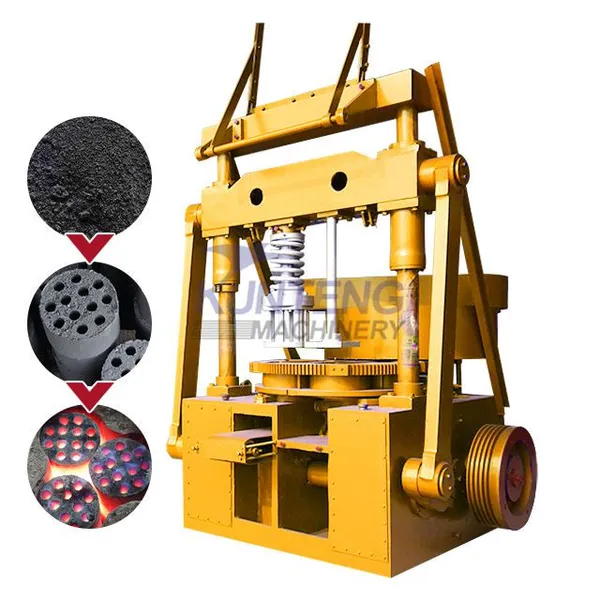
Coal Press Machine Can Customize Honeycomb Coal Forming Machine Commercial Forming MachineNegotiableMOQ: 1 Set
-
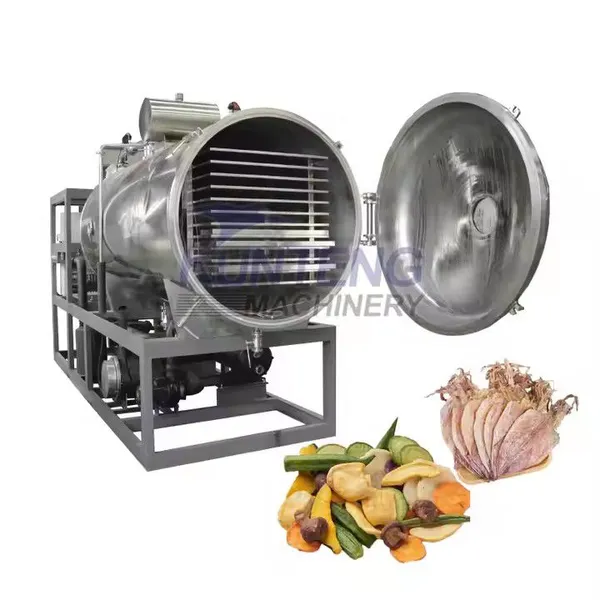
Large Commercial High Productivity Freeze Drier Dryer LyophilizerNegotiableMOQ: 1 Set
-
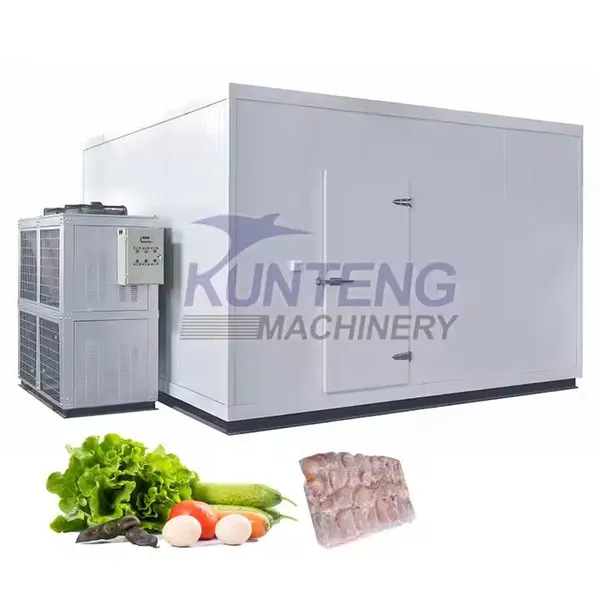
Monoblock Freezer Blower -18c Cold Storage Cold Room Kits CoolingNegotiableMOQ: 1 Set
-
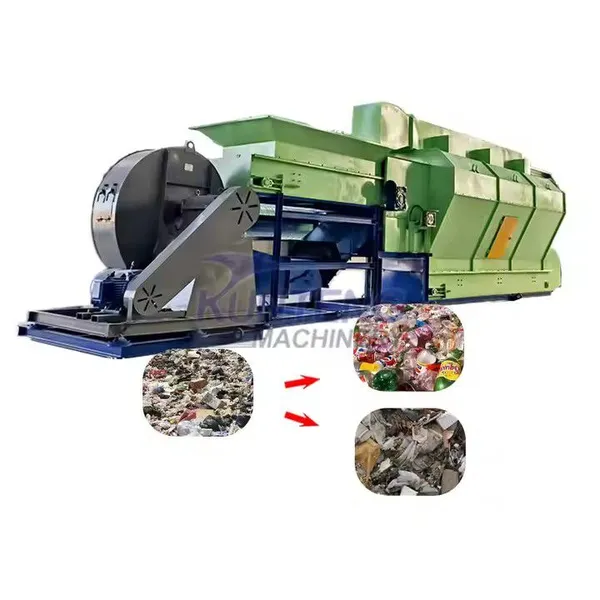
Professional Air Flow Separation Machines Air Separation System for Waste SortingNegotiableMOQ: 1 Set
-
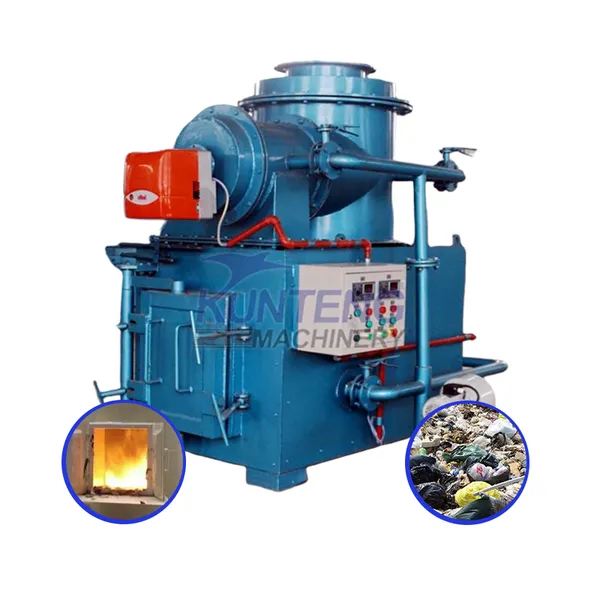
Smokeless Waste Incineration Machine Garbage IncineratorNegotiableMOQ: 1 Set
-
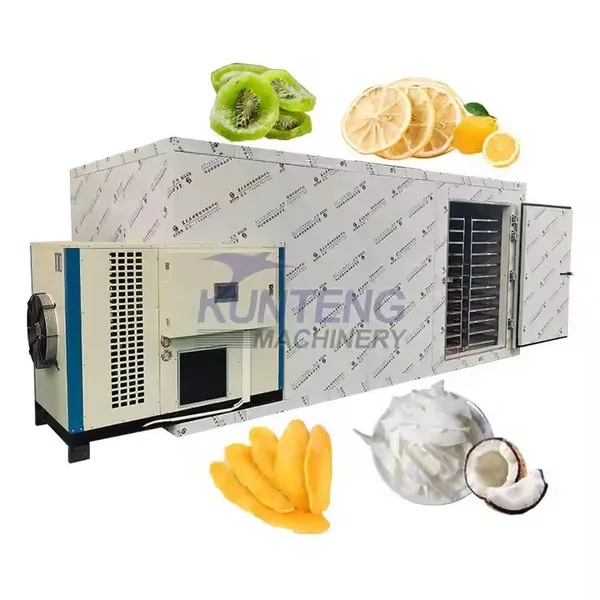
Fruit and Vegetable Drying Processing Machine Grape Raisin Drying Machine Mango Dryer MachineNegotiableMOQ: 1 Set
-
Trommel Screen Machine Construction Waste Sorting EquipmemtsNegotiableMOQ: 1 Set
-
Municipal Solid Waste Converts to RDF Machines Waste Plastic to Fuel Machine Waste Recycling PlantNegotiableMOQ: 1 Set
-
High Capacity Teak Drying Chamber Timber Formwork Dry Machine Wood Drying EquipmentNegotiableMOQ: 1 Set
-
Smart Waste Plastic Crusher and Baler Machine Recycling Machine for Plastic Waste to Make BricksNegotiableMOQ: 1 Set
-
New Design Waste Separation Machine Trommel Screen Machine for Rubbish Garbage Sorting Plant LineNegotiableMOQ: 1 Set