
 Business License
Multi Layer Mesh Belt Dryer for Food Processing: Complete Guide
Every year, millions of tons of fruits and vegetables never reach consumers. For food processors, this isn't just a statistic—it's lost revenue, wasted resources, and a persistent operational headache. Whether you're dehydrating carrots, apple slices, herbs, or leafy greens, inconsistent drying results in product rejection, reduced shelf life, and energy bills that eat into your margins.
The multi layer mesh belt dryer has emerged as a proven solution for food processing facilities seeking consistent, large-scale vegetable fruit dryer performance. This guide examines how this technology addresses the industry's most pressing post-harvest challenges, provides a step-by-step operational framework, and presents real-world results from food processing operations that have made the switch.
The Post-Harvest Challenge in Fruit and Vegetable Processing
The scale of food loss in the fruit and vegetable sector is staggering. According to the UNECE, fruits and vegetables are the most affected commodity group, with post-harvest loss rates reaching 25.4% in 2023--1. A comprehensive review published in Foods journal (MDPI, December 2025) by researchers from the University of Teramo, Italy, reports that global post-harvest losses for fruits and vegetables range between 20% and 40%-3. This translates to over one-third of food intended for human consumption being lost before it ever reaches the plate-3.
The Food and Agriculture Organization (FAO) further notes that post-harvest losses are particularly severe in low- and middle-income countries, where limited infrastructure and inadequate cold-chain systems push losses above 30%-3. According to FAO estimates cited at a 2026 postharvest event in Portugal, losses can reach 25% of fruits and vegetables from field to table-.
Beyond the immediate economic impact, these losses carry significant environmental consequences. The UNECE reports that food loss and waste account for 8-10% of global greenhouse gas emissions-1. The FAO AGRIS platform (February 2024) highlights that achieving sustainable development in fruit and vegetable value chains is "heavily dependent on processing" at both global and local levels-2.
For food processors, the implication is clear: traditional drying methods—open-air sun drying, batch tray dryers, and even single-pass conveyor systems—often fail to deliver the consistency, throughput, and energy efficiency required to compete in today's market. Many operations struggle with:
Uneven moisture content across batches, leading to product rejection
High energy consumption per kilogram of water removed
Labor-intensive loading and unloading processes
Limited capacity that constrains production scaling
This is where the multi-layer mesh belt dryer addresses a critical gap in the vegetable fruit dryer market.
How the Multi Layer Mesh Belt Dryer Transforms Food Processing
The multi-layer mesh belt dryer represents a significant evolution in continuous drying technology for food processing applications. Unlike single-layer belt dryers or batch systems, this equipment stacks multiple conveyor belts vertically within a single drying chamber, dramatically increasing throughput while minimizing floor space requirements-.
How It Works
The operating principle is straightforward yet highly effective. Material is uniformly distributed onto the uppermost mesh belt—typically constructed from 12-60 mesh stainless steel—via a feeding mechanism-11. As the belt advances through the drying chamber, hot air circulates through the material layer, transferring heat and removing moisture. At the end of each belt, the material drops to the next layer below, continuing the drying process until it reaches the discharge point-.
The dryer is typically composed of multiple independent sections or zones, each with separately circulating hot air-11. This modular design allows precise temperature control across different stages of the drying process—a critical feature for heat-sensitive fruits and vegetables. Temperature ranges typically span 50°C to 180°C, with conveying speed adjustable via inverter control-.
Key Advantages for Food Processors
Consistent Product Quality: The uniform airflow distribution across each layer ensures even moisture removal, minimizing the "over-dried edges, under-dried centers" problem common in batch dryers-11.
Energy Efficiency: Modern multi-layer belt dryers incorporate advanced heating systems and insulation to minimize heat loss-. Some models achieve heat recovery rates exceeding 85%, cutting energy costs by 30% compared to conventional designs-33.
Space Optimization: By stacking multiple drying layers vertically, these systems achieve high throughput in a compact footprint—a significant advantage for facilities with limited floor space-.
Continuous, Automated Operation: Once configured, the system runs continuously with minimal manual intervention. Intelligent PLC control systems can reduce manual oversight by up to 60%-33.
Food-Grade Compliance: Stainless steel construction and mesh belts compliant with FDA and EU food contact regulations (EU 1935/2004, EU 10/2011) ensure hygienic operation-.
How to Optimize Your Multi Layer Mesh Belt Dryer for Maximum Yield
For food processing operations new to this technology, getting the most from a multi-layer belt dryer requires attention to several key variables. Here is a practical step-by-step guide to achieving consistent, high-quality results.
Step 1: Proper Material Preparation
The uniformity of your final product begins before the material ever touches the belt. For optimal results:
Ensure raw materials are washed, peeled (if applicable), and cut to uniform dimensions
For materials with high moisture content, consider pre-dewatering or blanching to reduce initial load
For paste or filtered cake materials, form into particles or strips before feeding-11
Step 2: Calibrate Feed Rate and Layer Thickness
The thickness of material on each belt—typically adjustable between 10–80 mm—directly impacts drying efficiency and product quality-11. Start with a conservative thickness and gradually increase while monitoring:
Final moisture content
Drying time per layer
Product appearance and texture
Step 3: Set Zone Temperatures Strategically
Multi-zone temperature control allows you to apply different heat levels at different stages of the drying process-. A common approach:
First zone (higher temperature): Rapidly remove surface moisture
Middle zones (moderate temperature): Drive out internal moisture gradually
Final zone (lower temperature): Finish drying and equalize moisture throughout the product
This staged approach prevents case hardening—where the exterior dries too quickly, trapping moisture inside.
Step 4: Monitor Belt Speed and Airflow
Belt speed determines residence time within the dryer. Slower speeds increase drying time but may reduce throughput. The optimal speed depends on:
Material type and initial moisture content
Target final moisture
Drying temperature settings
Airflow direction (top-to-bottom or bottom-to-top) can also be configured based on material characteristics-11.
Step 5: Implement a Preventive Maintenance Schedule
Regular maintenance is essential for consistent performance and longevity. Key practices include-:
Daily: Check for loose fasteners, unusual noises, and belt alignment; clean the stainless steel mesh belt before and after use
Weekly: Inspect heating elements, fans, and electrical connections; verify grounding reliability
Monthly: Lubricate all rotating friction parts; inspect hot air furnace components (hearth, grate, chimney, duct joints)
Quarterly: Replace or repair worn mesh belts; calibrate temperature sensors and control systems
Real-World Results: A Case Study in Food Processing
The practical value of multi-layer mesh belt dryers is best illustrated through real-world application. In a documented case from early 2026, an Australian food processing facility implemented a multi-layer mesh belt dryer to address long-standing inconsistency issues with their traditional drying equipment-33.
The Challenge
The facility processed 1–2 tonnes of organic fruits and vegetables per shift. Their existing dryer produced uneven results—some batches emerged over-dried and brittle, while others retained excessive moisture, leading to spoilage during storage. Product rejection rates were eroding profitability, and the operation struggled to meet the quality specifications of major retail buyers.
The Solution
The company installed a multi-layer mesh belt dryer with adjustable temperature control across multiple zones and PLC-based automation. Key specifications included food-grade stainless steel construction, a heat recovery system, and variable belt speed control.
The Results
Within the first three months of operation-33:
Energy costs decreased by 30% compared to the previous drying system, driven by the dryer's heat recovery rate of over 85%
Product consistency improved dramatically, eliminating batch-to-batch variation
Throughput increased while manual intervention dropped significantly
The facility secured new contracts with retail partners who had previously rejected their dried products due to quality concerns
This case demonstrates that the transition to a multi-layer mesh belt dryer is not merely an equipment upgrade—it's a strategic investment that directly impacts the bottom line through reduced energy consumption, lower rejection rates, and expanded market access.
Frequently Asked Questions
Q1: What is the typical minimum order quantity (MOQ) for a multi-layer mesh belt dryer?
Most manufacturers offer flexible options, with some suppliers accommodating orders as low as one unit (1 Set)-11. However, custom-built systems with specific dimensions, heating configurations, or additional features may require larger minimums. For food processing operations, it's advisable to work with the supplier to determine the optimal configuration for your specific production volume and product types.
Q2: What is the typical lead time for delivery and installation?
Lead times vary by manufacturer and configuration complexity. Standard models are often available in stock for quick shipment-11, while custom-engineered systems typically require 4–12 weeks from order to delivery. Installation and commissioning—often supported by the manufacturer's technical team—usually take an additional 1–2 weeks depending on site conditions and local regulations.
Q3: Can the dryer be customized for specific products or production requirements?
Yes. Multi-layer mesh belt dryers are highly customizable-33. Common customization options include:
Number of layers: Three-layer and five-layer configurations are common-
Heating source: Steam, gas, electric, or thermal oil-
Belt materials: Stainless steel grades (SUS304, SUS316L) or specialized mesh-
Temperature range: Typically 50–180°C, adjustable per zone-
Control systems: Basic manual controls to fully integrated PLC with remote monitoring
Discuss your specific material characteristics, target throughput, and quality requirements with the supplier to design a system that meets your needs.
Conclusion: From Post-Harvest Loss to Processing Profit
The numbers don't lie. With 25–40% of fruits and vegetables lost between harvest and consumption--3, food processors have both an economic and environmental imperative to improve their drying operations. The multi-layer mesh belt dryer offers a proven pathway—delivering consistent product quality, energy savings of up to 30% compared to conventional systems-33, and the continuous, automated throughput that modern food processing demands-33.
Whether you're processing carrots, apples, herbs, or leafy greens, this technology addresses the core challenges of large-scale dehydration: uniformity, efficiency, and scalability. The Australian case study demonstrates that the transition delivers measurable results—not just in operational metrics, but in market access and profitability.
If you're ready to explore how a multi-layer mesh belt dryer can transform your food processing operation, reach out to qualified equipment suppliers to discuss your specific requirements. The investment pays for itself through reduced energy costs, minimized product loss, and the ability to meet the quality standards of today's most demanding buyers.
Recently Posted
-
Multi Layer Mesh Belt Dryer vs Heat Pump Tray Dryer Machine: Which Solves Your Drying Cost Challenge
July 29, 2026Published on July 29, 2026If your production line is bleeding money on energy bills, inconsistent product quality, or labor-intens Read More
 -
Charcoal Briquette Machine: Complete B2B Buying & Operations Guide
July 21, 2026**Published on July 21, 2026**The global charcoal briquette machine market is projected to grow from USD 1.32 billion in 2025 to U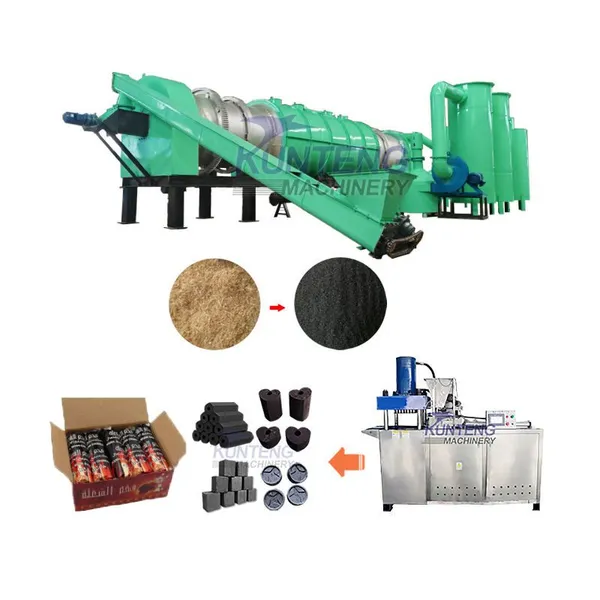 Read More
 -
Municipal Solid Waste Sorting Line Case Study
July 9, 2026Published on July 9, 2026For municipal solid waste (MSW) management companies, rising waste volumes and tightening recycling manda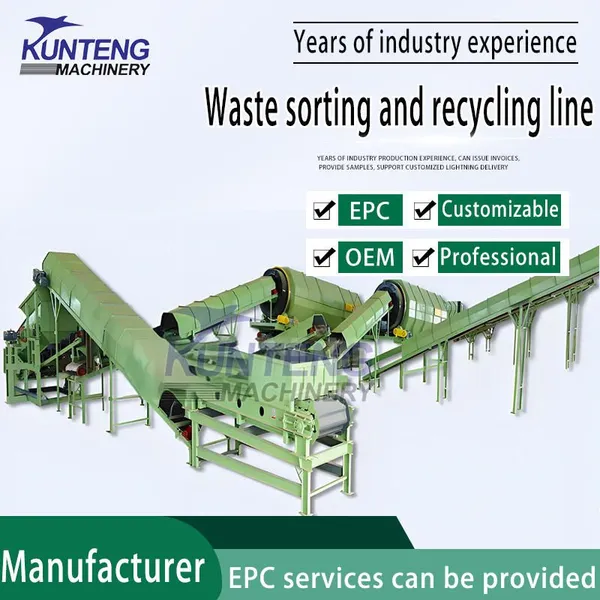 Read More

Contact Us
Recommended Products
-
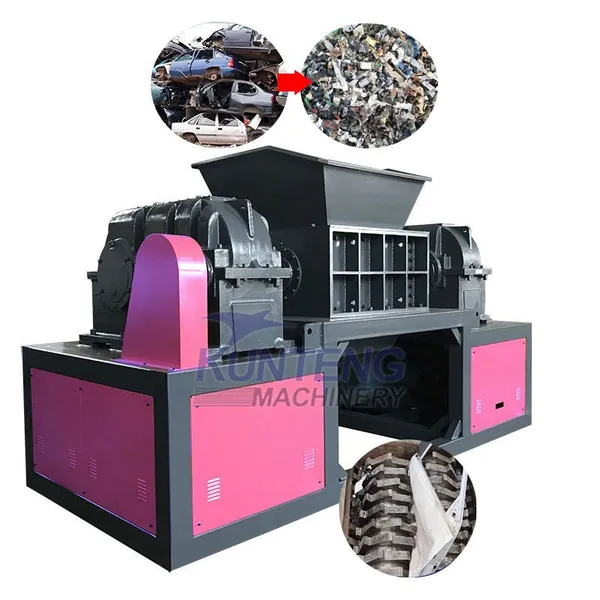
 Continuous Heavy Metals Shredder Damaged Cars Crusher HMS Heavy Melting Steel Scrap Wire MS Iron ShredderNegotiableMOQ: 1 Set
 -
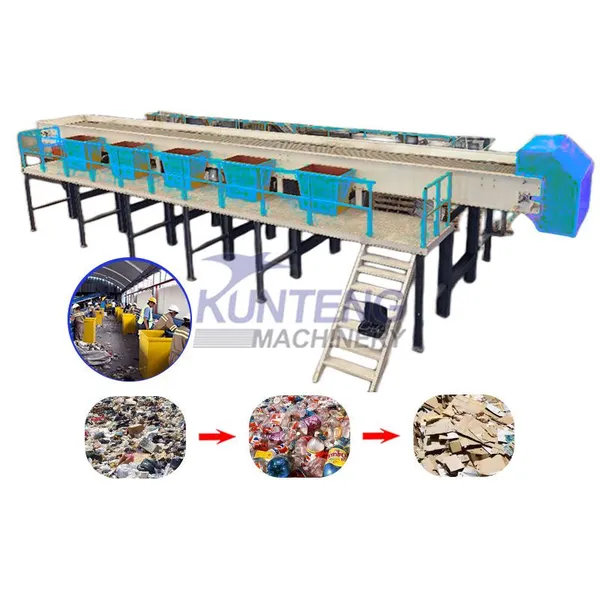
Large Dustbin for Sorting Table With Scrapshoot Hole Waste Segregation Machine Sorting LineNegotiableMOQ: 1 Set
-
High Productivity Iron Ore Powder Ball Press Machine Mineral Soil Silicon Powder Briquetting MachineNegotiableMOQ: 1 Set
-
Eco-friendly Coconut Shell Charcoal Briquette Making Machine Charcoal Press Machine Bbq Charcoal Production LineNegotiableMOQ: 1 Set
-
Full Automatic Coconut Charcoal Hydraulic Press Machines Sawdust Charcoal Briquette Machines Biomass Charcoal Briquette MachineNegotiableMOQ: 1 Set
-
Corn Stalk Briquette Making Machine Chicken Manure Biomass Briquetting Extruder Press MachineNegotiableMOQ: 1 Set
-
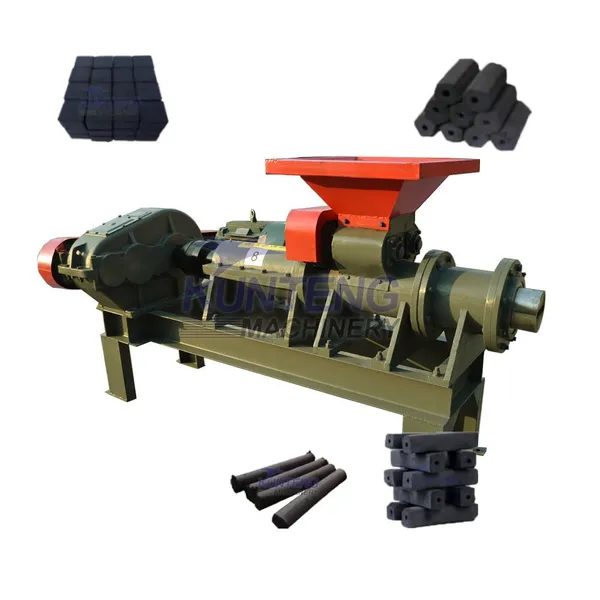
Small Scale Charcoal Briquette Making Machine Compressed Coal Industry Machines Automatic Extruder Production LineNegotiableMOQ: 1 Set
-
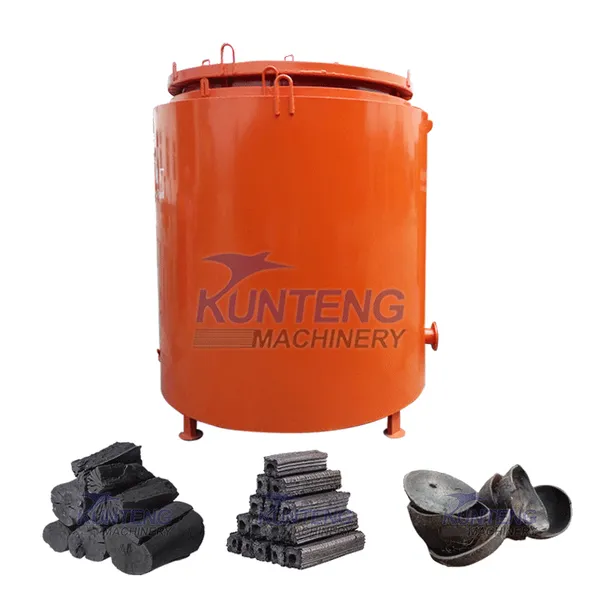
Automatic Eco-Friendly Vertical Hosting Carbonization Furnace Horizontal Sawdust Carbonizer FurnaceNegotiableMOQ: 1 Set
-
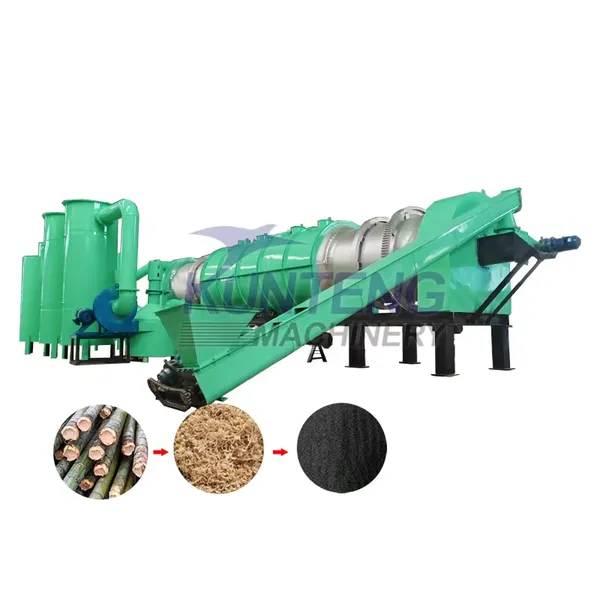
Eco-friendly Charcoal Making Machine Carbonization Furnace Continous Carbonization StoveNegotiableMOQ: 1 Set
-
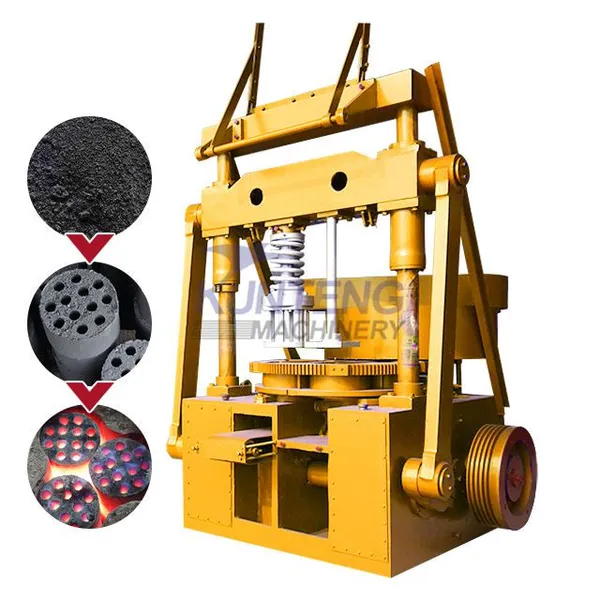
Coal Press Machine Can Customize Honeycomb Coal Forming Machine Commercial Forming MachineNegotiableMOQ: 1 Set
-
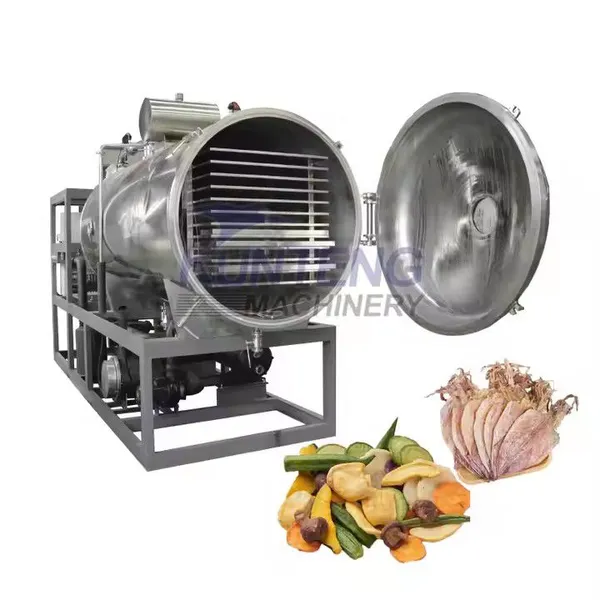
Large Commercial High Productivity Freeze Drier Dryer LyophilizerNegotiableMOQ: 1 Set
-
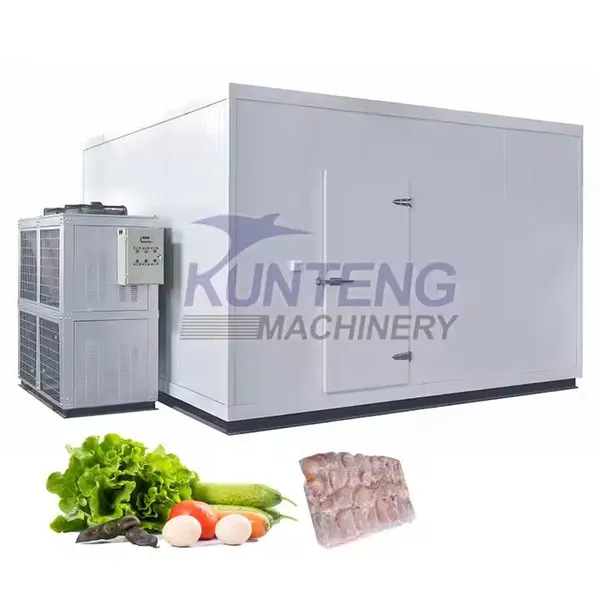
Monoblock Freezer Blower -18c Cold Storage Cold Room Kits CoolingNegotiableMOQ: 1 Set
-
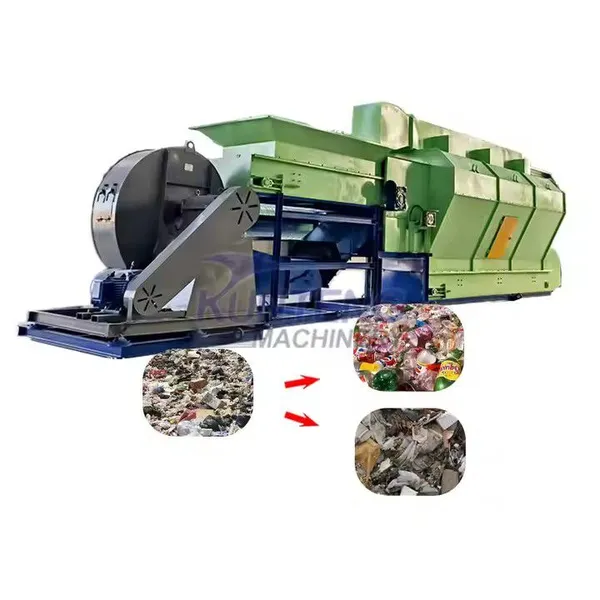
Professional Air Flow Separation Machines Air Separation System for Waste SortingNegotiableMOQ: 1 Set
-
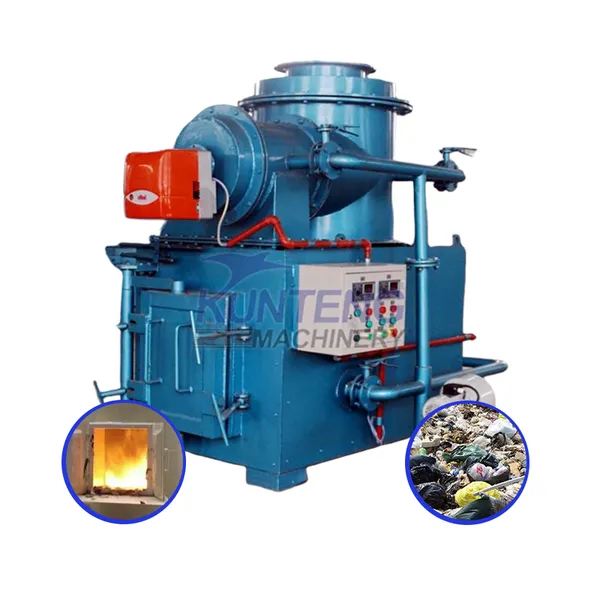
Smokeless Waste Incineration Machine Garbage IncineratorNegotiableMOQ: 1 Set
-
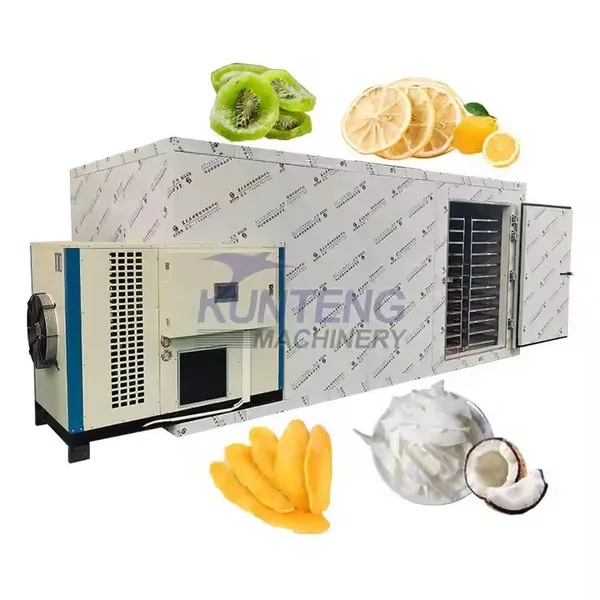
Fruit and Vegetable Drying Processing Machine Grape Raisin Drying Machine Mango Dryer MachineNegotiableMOQ: 1 Set
-
Trommel Screen Machine Construction Waste Sorting EquipmemtsNegotiableMOQ: 1 Set
-
Municipal Solid Waste Converts to RDF Machines Waste Plastic to Fuel Machine Waste Recycling PlantNegotiableMOQ: 1 Set
-
High Capacity Teak Drying Chamber Timber Formwork Dry Machine Wood Drying EquipmentNegotiableMOQ: 1 Set
-
Smart Waste Plastic Crusher and Baler Machine Recycling Machine for Plastic Waste to Make BricksNegotiableMOQ: 1 Set
-
New Design Waste Separation Machine Trommel Screen Machine for Rubbish Garbage Sorting Plant LineNegotiableMOQ: 1 Set