
 Business License
Double Shaft Shredder for Hospital & Household Waste Processing
Published on August 26, 2026
Improper disposal of medical and domestic waste leads to environmental contamination, regulatory penalties, and low recycling efficiency. A reliable double shaft shredder solves these pain points, serving as a core device for both Hospital Waste Shredding Machine and Household Waste Shredder scenarios. Many waste management operators struggle with uneven shredding, equipment jamming, and low-volume reduction rates. This article explains how to improve hospital and household waste recycling efficiency with a double shaft shredder, delivering actionable solutions for B2B buyers in the waste disposal industry.
Growing Industry Challenges for Waste Shredding (2026 Authoritative Data)
The global waste processing industry is expanding rapidly amid rising environmental protection standards and circular economy policies, bringing stricter requirements for shredding equipment performance. According to the 2026 Industrial Shredder Market Report by Business Research Insights, the global adoption rate of double-shaft shredders in mixed waste processing has reached 51%, surpassing single-shaft models due to its high-torque and anti-jamming advantages.
Meanwhile, the global waste processor market was valued at USD 4.5 billion in 2025 and is projected to grow at a 6.5% CAGR until 2032 (PW Consulting, 2026), reflecting surging market demand for efficient waste disposal equipment. Modern waste management enterprises face three core operational challenges:
Complex waste composition: Hospital waste includes contaminated textiles, medical plastic, and disposable instruments, while household waste mixes kitchen scraps, packaging plastics, and paper, requiring multi-scenario adaptable shredding devices.
Strict compliance standards: Global environmental regulations mandate standardized waste volume reduction and harmless treatment, eliminating irregular manual disposal methods (Verified Market Reports, 2026).
Low equipment efficiency: Traditional single-shaft shredders often suffer from jamming, uneven particle size, and high energy consumption, increasing long-term operational costs for enterprises.
How Double Shaft Shredder Solves Hospital & Household Waste Pain Points
As a dual-purpose device covering Hospital Waste Shredding Machine and Household Waste Shredder applications, the double shaft shredder adopts a dual-rotor low-speed high-torque design, perfectly matching the processing characteristics of mixed domestic and medical waste. Its core advantages target industry pain points precisely:
Anti-jamming stable operation: The dual-shaft mutual cutting structure avoids material blockage caused by irregular waste, ensuring 24-hour continuous operation suitable for high-load hospital centralized waste disposal and community household waste batch processing.
Uniform shredding particle size: Adjustable blade spacing outputs consistent waste fragments, meeting subsequent sterilization, compression, and recycling standards, greatly improving waste resource utilization.
Wide application compatibility: It handles diversified waste types, from soft household kitchen waste and plastic packaging to hard medical consumables and discarded medical equipment, realizing one machine for multiple scenarios.
Energy-saving and cost-effective: Optimized power structure reduces invalid energy consumption. Statistics show that modern intelligent double shaft shredders cut unit waste processing energy consumption by 28% compared with traditional equipment (Business Research Insights, 2026).
Step-by-Step Guide: Optimize Waste Processing with Double Shaft Shredder
This practical guide answers the long-tail question: how to improve hospital and household waste recycling efficiency with a double shaft shredder. It helps B2B operators standardize operation and maximize equipment value:
Pre-classify raw waste: Separate sharp medical waste, toxic medical residues, and ordinary household waste in advance to avoid excessive wear of blades caused by special materials and ensure compliance with medical waste disposal specifications.
Adjust equipment parameters: Set blade rotation speed and spacing according to waste types. Use fine shredding mode for hospital waste to meet harmless treatment standards; use medium particle mode for household waste to balance efficiency and recycling quality.
Continuous feeding and intelligent monitoring: Adopt uniform feeding to avoid overloading. Equipped with IoT monitoring modules (31% market penetration in 2026), the equipment automatically alarms for abnormal jamming and temperature, reducing manual supervision costs.
Post-shredding centralized processing: Match shredded materials with subsequent sterilization, compression, and sorting equipment to complete closed-loop waste treatment and improve overall recycling benefits.
Regular daily maintenance: Clean blade residues and check part wear regularly to extend equipment service life and ensure long-term stable operation.
B2B Customer Success Case: Actual Operational Results
A regional environmental protection enterprise undertaking community household waste and hospital medical waste disposal upgraded its traditional single-shaft equipment to our customized double shaft shredder in early 2026, achieving remarkable quantitative improvements:
Waste processing capacity increased from 8 tons/hour to 14 tons/hour, with overall operational efficiency improved by 75%.
Waste volume reduction rate reached 85%, effectively reducing storage and transportation costs.
Equipment jamming failure rate dropped by 92%, cutting daily maintenance time and labor costs significantly.
Fully compliant with local medical and domestic waste environmental protection standards, helping the enterprise pass annual regulatory audits stably.
FAQs for B2B Double Shaft Shredder Buyers
1. Can this double shaft shredder support customized processing for special waste?
Yes. We support personalized customization of blade materials, feeding methods, and shredding particle sizes. It can be adapted to high-standard hospital sterile waste treatment and diversified household mixed waste processing scenarios, meeting the differentiated needs of different waste management projects.
2. What is the production lead time for bulk B2B orders?
Standard models of double shaft shredders for household and hospital waste are in stock. For customized equipment and bulk batch orders, the production cycle is 15–25 working days, ensuring stable and timely delivery for project construction cycles.
3. How long is the equipment service life and after-sales support cycle?
The core blade and spindle components have a service life of more than 8 years. We provide long-term technical guidance and after-sales maintenance support, helping B2B buyers reduce equipment operation and replacement costs in the whole life cycle.
Conclusion & Next Steps
Against the backdrop of booming global waste management markets and increasingly stringent environmental regulations, double shaft shredders have become essential core equipment for modern hospital and household waste disposal. Compared with traditional shredding equipment, it has obvious advantages in stability, efficiency, and multi-scenario adaptability, helping B2B enterprises reduce costs, improve efficiency, and meet compliance requirements.
If you are looking for high-performance Hospital Waste Shredding Machine and Household Waste Shredder solutions to upgrade your waste processing system, explore our detailed product parameters and customized solution cases to find the most suitable equipment for your project.
Recently Posted
-
Pomace Rotary Drum Dryer: Valorize Cassava Residue By‑Products
September 3, 2026Published on Sep 03, 2026Starch and fruit processing plants generate massive volumes of wet waste every working day. The pomace ro Read More
 -
BBQ & Biomass Charcoal Briquette Machine: Boost Briquette Output
September 1, 2026Published on September 1, 2026Commercial charcoal producers constantly face unstable briquette quality, low production efficiency,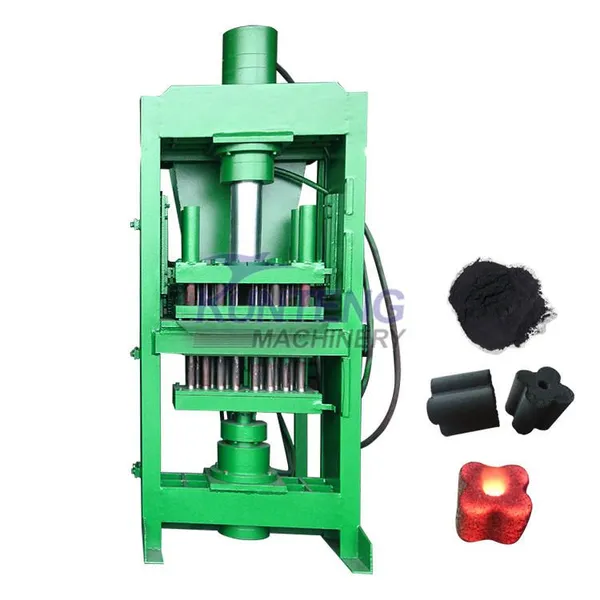 Read More
 -
Multi Layer Mesh Belt Dryer for Food Processing: Complete Guide
August 11, 2026Every year, millions of tons of fruits and vegetables never reach consumers. For food processors, this isn't just a statistic—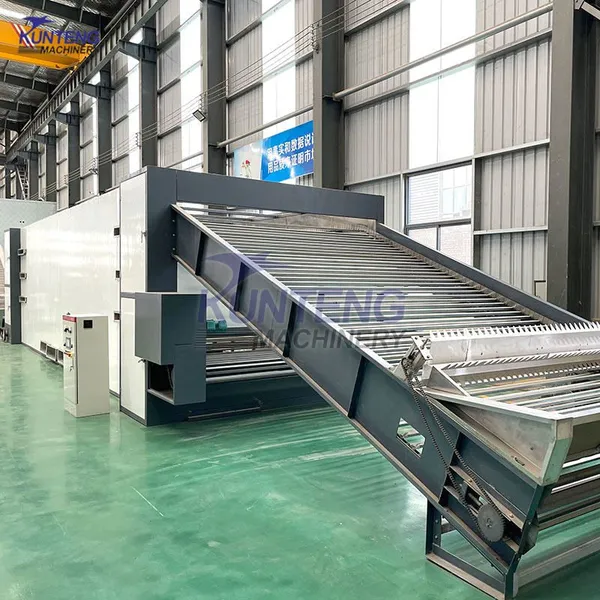 Read More
 -
Multi Layer Mesh Belt Dryer vs Heat Pump Tray Dryer Machine: Which Solves Your Drying Cost Challenge
July 29, 2026Published on July 29, 2026If your production line is bleeding money on energy bills, inconsistent product quality, or labor-intens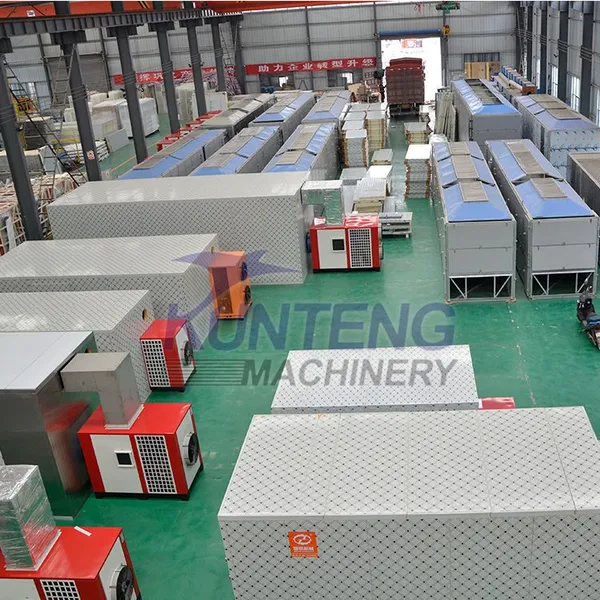 Read More

Contact Us
Recommended Products
-
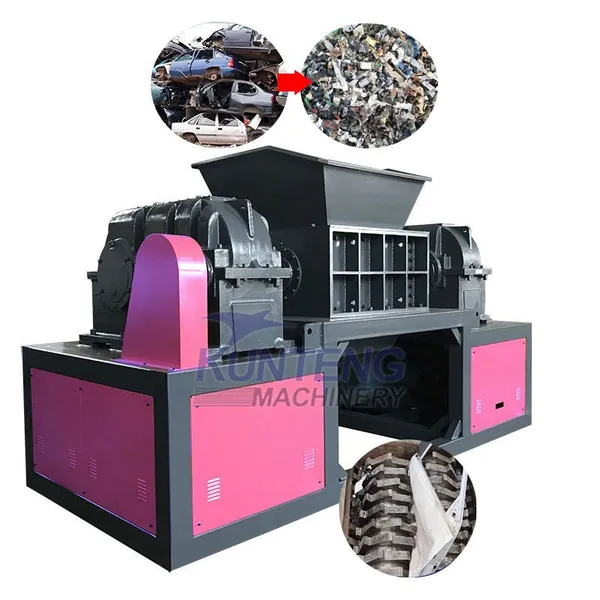
 Continuous Heavy Metals Shredder Damaged Cars Crusher HMS Heavy Melting Steel Scrap Wire MS Iron ShredderNegotiableMOQ: 1 Set
 -
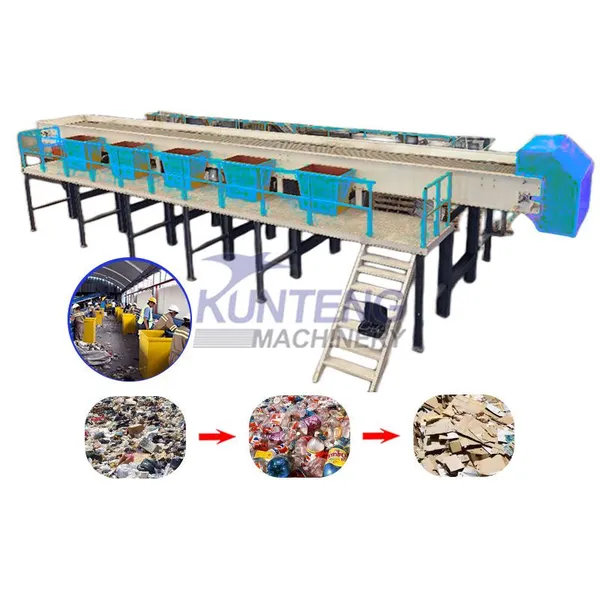
Large Dustbin for Sorting Table With Scrapshoot Hole Waste Segregation Machine Sorting LineNegotiableMOQ: 1 Set
-
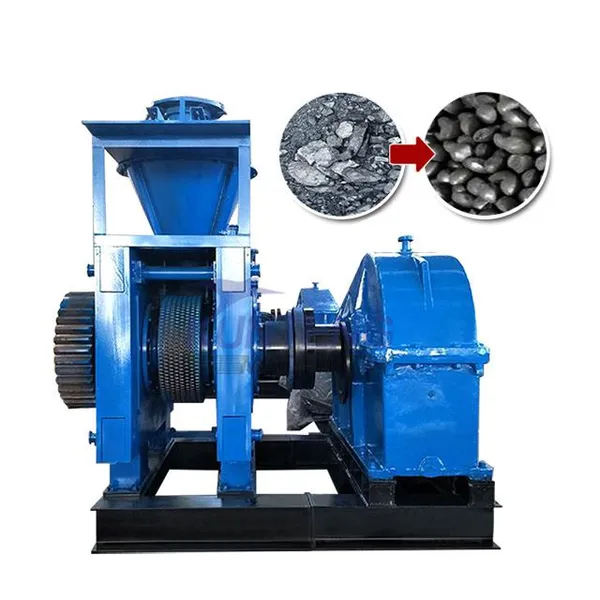
High Productivity Iron Ore Powder Ball Press Machine Mineral Soil Silicon Powder Briquetting MachineNegotiableMOQ: 1 Set
-
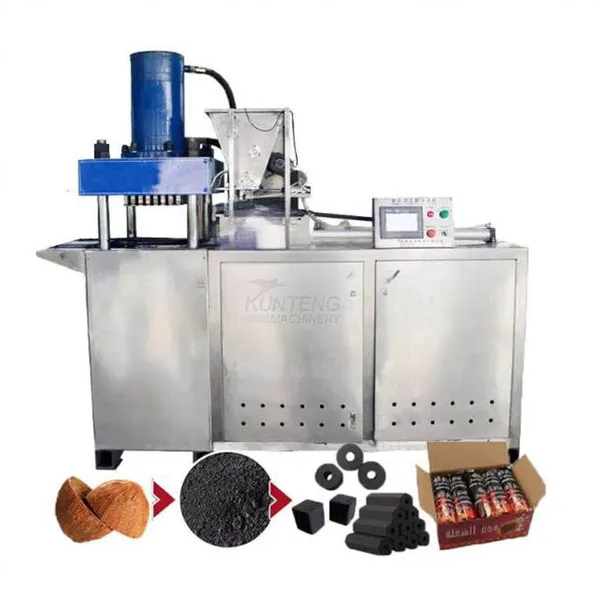
Eco-friendly Coconut Shell Charcoal Briquette Making Machine Charcoal Press Machine Bbq Charcoal Production LineNegotiableMOQ: 1 Set
-
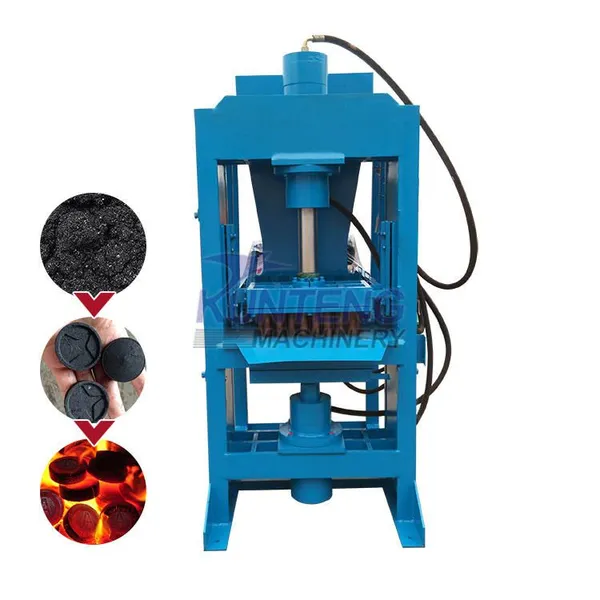
Full Automatic Coconut Charcoal Hydraulic Press Machines Sawdust Charcoal Briquette Machines Biomass Charcoal Briquette MachineNegotiableMOQ: 1 Set
-
Corn Stalk Briquette Making Machine Chicken Manure Biomass Briquetting Extruder Press MachineNegotiableMOQ: 1 Set
-
Small Scale Charcoal Briquette Making Machine Compressed Coal Industry Machines Automatic Extruder Production LineNegotiableMOQ: 1 Set
-
Automatic Eco-Friendly Vertical Hosting Carbonization Furnace Horizontal Sawdust Carbonizer FurnaceNegotiableMOQ: 1 Set
-
Eco-friendly Charcoal Making Machine Carbonization Furnace Continous Carbonization StoveNegotiableMOQ: 1 Set
-
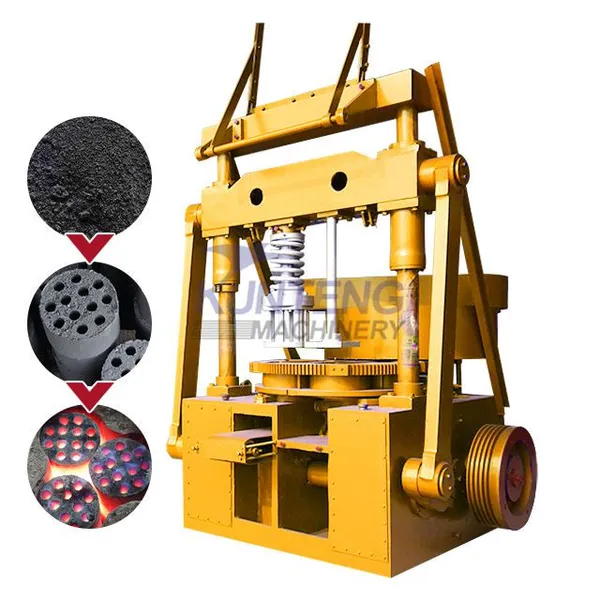
Coal Press Machine Can Customize Honeycomb Coal Forming Machine Commercial Forming MachineNegotiableMOQ: 1 Set
-
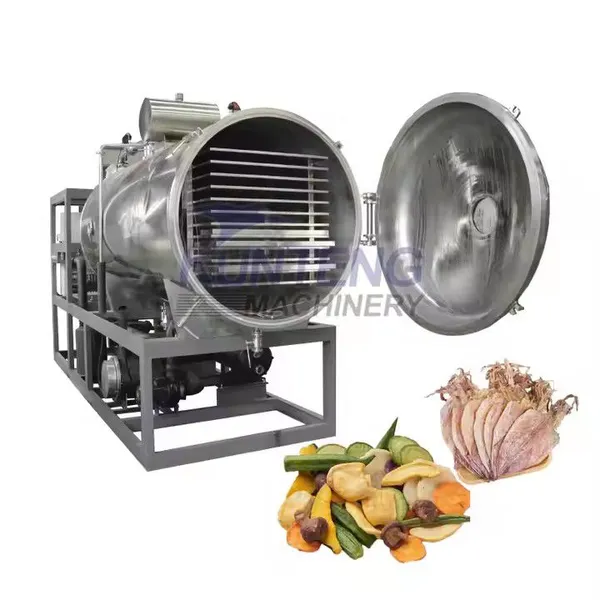
Large Commercial High Productivity Freeze Drier Dryer LyophilizerNegotiableMOQ: 1 Set
-
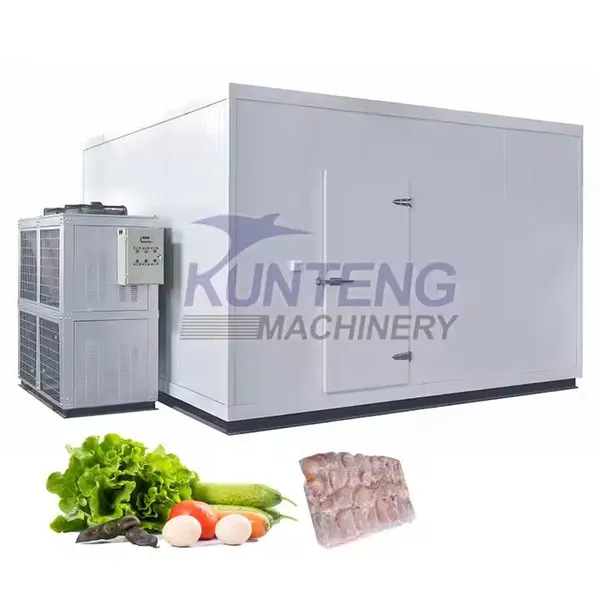
Monoblock Freezer Blower -18c Cold Storage Cold Room Kits CoolingNegotiableMOQ: 1 Set
-
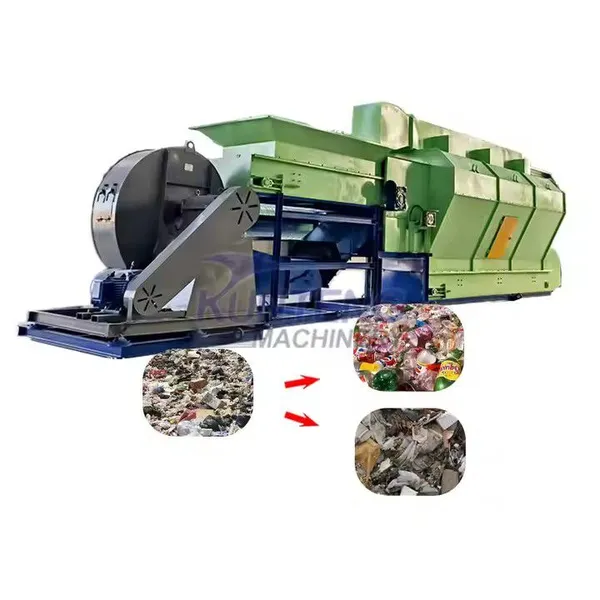
Professional Air Flow Separation Machines Air Separation System for Waste SortingNegotiableMOQ: 1 Set
-
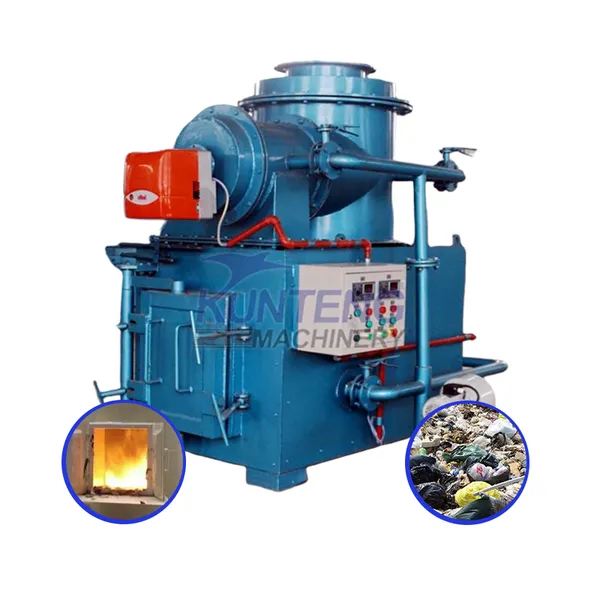
Smokeless Waste Incineration Machine Garbage IncineratorNegotiableMOQ: 1 Set
-
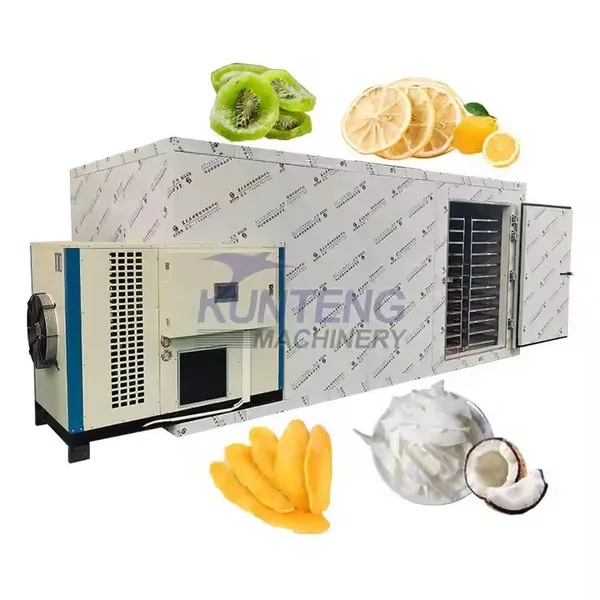
Fruit and Vegetable Drying Processing Machine Grape Raisin Drying Machine Mango Dryer MachineNegotiableMOQ: 1 Set
-
Trommel Screen Machine Construction Waste Sorting EquipmemtsNegotiableMOQ: 1 Set
-
Municipal Solid Waste Converts to RDF Machines Waste Plastic to Fuel Machine Waste Recycling PlantNegotiableMOQ: 1 Set
-
High Capacity Teak Drying Chamber Timber Formwork Dry Machine Wood Drying EquipmentNegotiableMOQ: 1 Set
-
Smart Waste Plastic Crusher and Baler Machine Recycling Machine for Plastic Waste to Make BricksNegotiableMOQ: 1 Set
-
New Design Waste Separation Machine Trommel Screen Machine for Rubbish Garbage Sorting Plant LineNegotiableMOQ: 1 Set