
 Business License
Pomace Rotary Drum Dryer: Valorize Cassava Residue By‑Products
Published on Sep 03, 2026
Starch and fruit processing plants generate massive volumes of wet waste every working day. The pomace rotary drum dryer and cassava residue dryer machine help factories convert high‑moisture by‑products into saleable animal feed, fertilizer raw material or biomass fuel, instead of paying costly waste‑disposal fees. Many plant managers struggle with sticky materials, frequent blockages, unstable final moisture and excessive energy consumption when drying pomace and cassava residues. This article explains how a continuous rotary drum dryer solves those pain points and delivers measurable economic returns for agro‑processing B2B buyers.
Industry Background & Core Operational Challenges
Global rotary dryers market will hit USD 1.84 billion by 2030 at a CAGR of 5.3%, driven by growing demand for agricultural waste valorization, according to Strategic Market Research (Feb 2026). For cassava starch factories, every ton of fresh cassava roots processed produces roughly 900 kg wet cassava residue at 80‑85 % initial moisture, as documented in research published on PMC (Carvalho et al., 2018). Fruit‑juice production also outputs large quantities of sticky pomace by‑products.
Processing operators face four common bottlenecks with these by‑products:
High spoilage risk: Wet pomace and cassava residue ferment within 2‑3 days, releasing unpleasant odors and creating local water‑pollution risks if dumped improperly.
Material stickiness: High sugar and fibre content causes materials to adhere to dryer inner walls, reducing thermal efficiency and triggering frequent shutdowns for cleaning.
Unstable finished quality: Non‑continuous drying leads to uneven moisture, making dried output unsuitable for animal‑feed or pellet‑fuel standards.
Poor cost balance: Traditional batch dryers consume high energy while offering limited hourly throughput for large‑scale production lines.
Many processors ask: How to dry sticky cassava residue without frequent drum sticking with continuous rotary drum dryer? This practical question represents high‑intent search from real‑world plant operators.
How Continuous Rotary Drum Dryer Solves Pomace and Cassava Residue Pain Points
A purpose‑built pomace rotary drum dryer, also functioning as a cassava residue dryer machine, runs 24‑hour non‑stop processing and targets the above‑mentioned pain points via structural and process design optimizations.
Key functional advantages for B2B processing plants:
Anti‑stick internal assembly: Special combined lifting flights and material‑breaking devices break agglomerated wet pomace or cassava clumps, minimizing wall adhesion and reducing manual‑cleaning downtime.
Adjustable multi‑zone temperature control: High inlet temperature removes surface moisture rapidly; moderate middle‑outlet temperature zones protect nutrition value of organic materials, avoiding over‑burning fibre components.
Wide‑range moisture adaption: Handles incoming raw material moisture 70‑85 %, stably delivering final moisture down to 10‑12 % adjustable for feed, fertilizer or biomass requirements.
Full‑line compatibility: Connects seamlessly with upstream screw feeding and downstream cooling, crushing or pelletizing equipment to build an integrated by‑product valorization workflow.
Enclosed dust‑removal configuration: Matched cyclone and bag‑filter units keep exhaust emissions compliant with general industrial environmental‑protection standards.
Unlike small‑batch drying equipment, continuous rotary drum dryer realizes steady mass flow, making it fit for medium‑to‑large starch factories, fruit‑processing enterprises and biomass‑raw‑material manufacturers.
Step‑by‑Step Operational Guide: Optimize Drying for Sticky Cassava Residue
Following these steps helps you operate the cassava residue dryer machine to minimize sticking and improve overall drying efficiency, answering the target long‑tail query.
Pre‑screen incoming feedstock: Remove large foreign objects; control feeding particle size, avoid oversized clumps entering the rotary drum. If raw residue is extremely sticky, implement simple pre‑dewatering to cut initial moisture before feeding into dryerWiley Onli....
Set reasonable drum rotating speed: Do not pursue maximum throughput blindly. Lower rotating speed increases material residence time inside drum for sticky pomace and cassava residue.
Configure staged hot‑air temperature: Set drum inlet temperature within safe operating range for organic materials; reduce temperature level‑by‑level toward discharge end to prevent scorching.
Stabilize continuous feeding rate: Volatile, fluctuating feed volume is one major cause of uneven drying and wall‑sticking. Keep screw‑feeder output consistent.
Monitor outlet‑moisture real‑time: Adjust feed volume, drum rotation or heat supply according to final‑moisture testing results. Avoid both incomplete drying and excessive energy‑wasting over‑drying.
Carry out routine inspection for internal flights: Periodically check lifting flights and breaking components; clear minor material buildup during planned maintenance intervals instead of waiting for severe blockage.
Real‑World Customer Outcome Case
A Southeast Asian cassava‑starch processing plant with 120‑ton daily fresh‑root output faced heavy waste‑disposal pressure. The factory installed a continuous pomace rotary drum dryer as its cassava residue dryer machine to treat its starch‑processing by‑products.
Project verified results collected from site operation records (2025 operating report):
Daily processing capacity: Handles 72 tons wet cassava residue with initial moisture 82 %.
Output quality: Dried residue stably reaches 11‑13 % moisture, suitable for livestock feed raw‑material sales.
Economic benefit: The plant eliminated recurring third‑party waste‑treatment expenditure. Dried cassava residue becomes marketable by‑product, generating extra monthly revenue.
Equipment uptime: Anti‑stick internal structure reduced unplanned shutdown events caused by material adhesion, improving overall line availability.
This case demonstrates that investing in purpose‑built drying equipment turns an environmental‑liability waste stream into a profitable secondary‑income source for agro‑processors.
Frequently Asked Questions for B2B Buyers
Q1: Is customization available for the pomace rotary drum dryer?A1: Yes. Capacity, heat‑source mode, drum dimension and internal structure can be adjusted based on your raw‑material features, site layout and target finished‑moisture. Material properties including stickiness, fibre content and hourly throughput will determine the final configuration of your cassava residue dryer machine.
Q2: What is typical production lead‑time for one complete continuous rotary drum dryer set?A2: Standard models usually take 4‑6 weeks manufacturing cycle. Highly customized large‑capacity systems may extend to 8‑10 weeks. Project assessment including material testing will help confirm exact timelines before order confirmation.
Q3: What kind of heat sources can this dryer adopt?A3: Multiple heating options are supported: biomass fuel, coal, natural gas or hot‑steam heat‑exchanger. Buyers can select the most cost‑effective heat source according to local fuel availability and operational‑cost budgets.
Conclusion & Next Step
For starch mills and fruit‑processing facilities, ignoring pomace and cassava‑residue treatment means enduring waste‑disposal costs and potential environmental‑compliance risks. A well‑selected continuous rotary drum dryer, acting as pomace rotary drum dryer and cassava residue dryer machine, transforms troublesome wet by‑products into valuable feed, fertilizer or biomass feedstock.
If you manage an agro‑processing plant and want to evaluate drying‑solution feasibility for your own by‑products, you may further review capacity‑matching information and technical documentation for continuous rotary drum drying systems. Understanding your raw‑material moisture, composition and target output specifications helps filter suitable equipment options for your project.
Recently Posted
-
BBQ & Biomass Charcoal Briquette Machine: Boost Briquette Output
September 1, 2026Published on September 1, 2026Commercial charcoal producers constantly face unstable briquette quality, low production efficiency,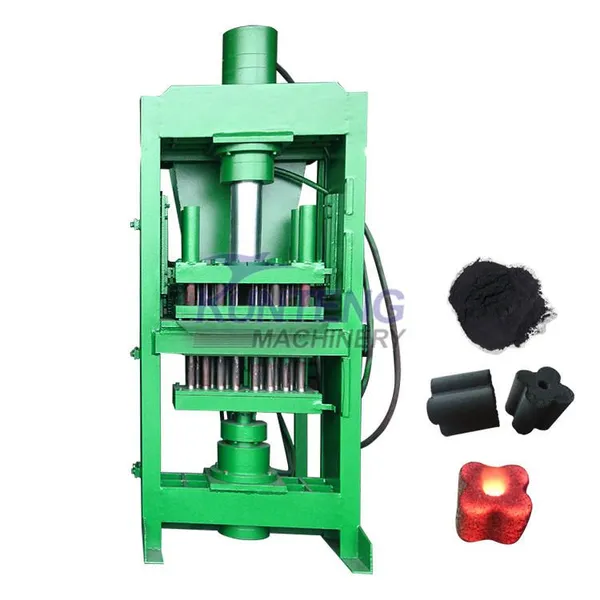 Read More
 -
Double Shaft Shredder for Hospital & Household Waste Processing
August 26, 2026Published on August 26, 2026Improper disposal of medical and domestic waste leads to environmental contamination, regulatory penal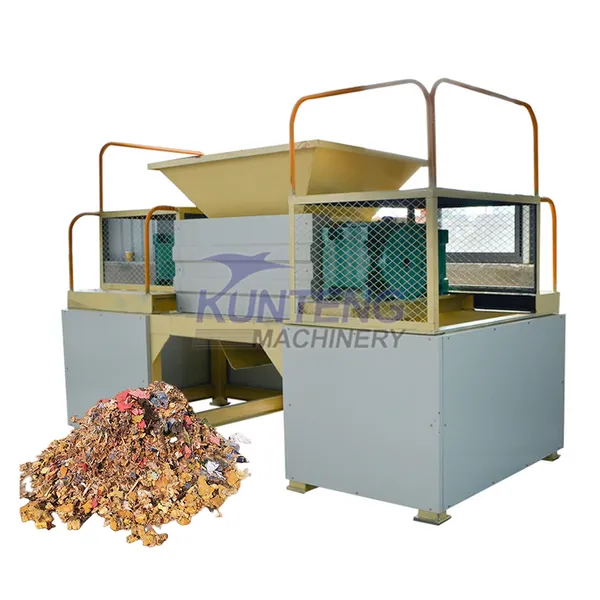 Read More
 -
Multi Layer Mesh Belt Dryer for Food Processing: Complete Guide
August 11, 2026Every year, millions of tons of fruits and vegetables never reach consumers. For food processors, this isn't just a statistic—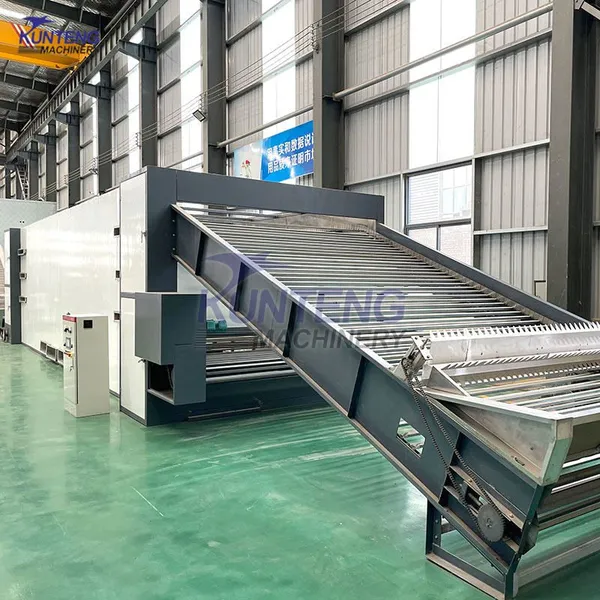 Read More
 -
Multi Layer Mesh Belt Dryer vs Heat Pump Tray Dryer Machine: Which Solves Your Drying Cost Challenge
July 29, 2026Published on July 29, 2026If your production line is bleeding money on energy bills, inconsistent product quality, or labor-intens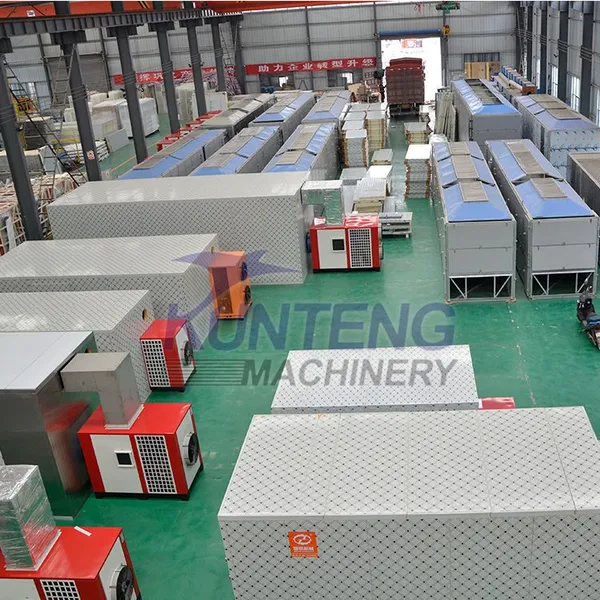 Read More

Contact Us
Recommended Products
-
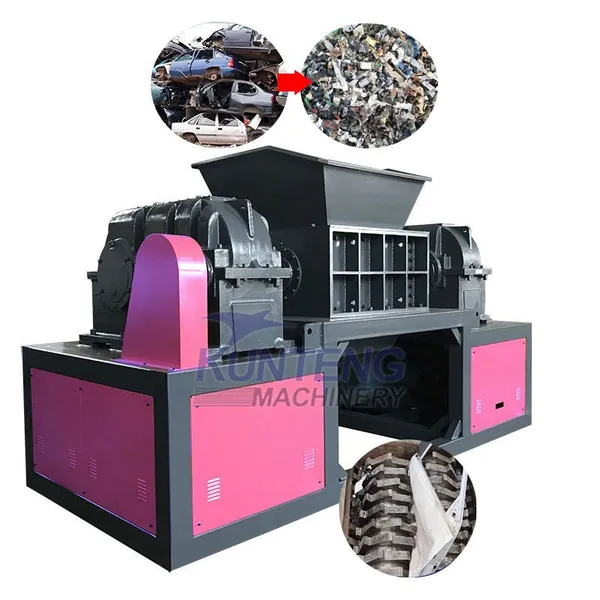
 Continuous Heavy Metals Shredder Damaged Cars Crusher HMS Heavy Melting Steel Scrap Wire MS Iron ShredderNegotiableMOQ: 1 Set
 -
Large Dustbin for Sorting Table With Scrapshoot Hole Waste Segregation Machine Sorting LineNegotiableMOQ: 1 Set
-
High Productivity Iron Ore Powder Ball Press Machine Mineral Soil Silicon Powder Briquetting MachineNegotiableMOQ: 1 Set
-
Eco-friendly Coconut Shell Charcoal Briquette Making Machine Charcoal Press Machine Bbq Charcoal Production LineNegotiableMOQ: 1 Set
-
Full Automatic Coconut Charcoal Hydraulic Press Machines Sawdust Charcoal Briquette Machines Biomass Charcoal Briquette MachineNegotiableMOQ: 1 Set
-
Corn Stalk Briquette Making Machine Chicken Manure Biomass Briquetting Extruder Press MachineNegotiableMOQ: 1 Set
-
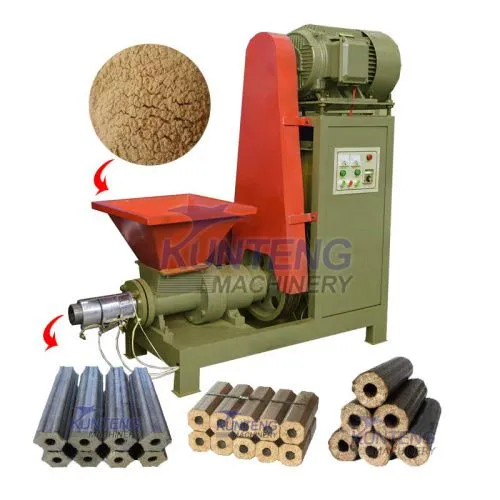
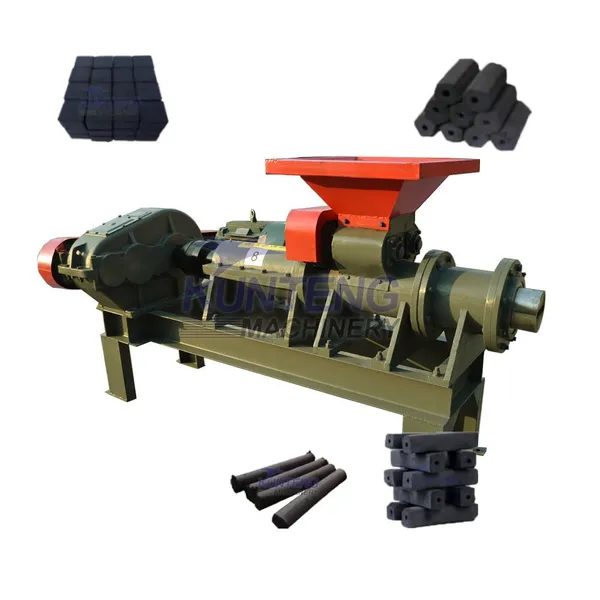
Small Scale Charcoal Briquette Making Machine Compressed Coal Industry Machines Automatic Extruder Production LineNegotiableMOQ: 1 Set
-
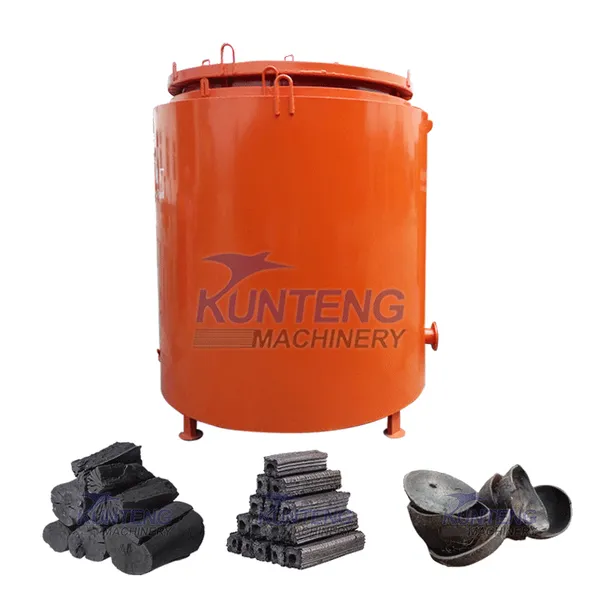
Automatic Eco-Friendly Vertical Hosting Carbonization Furnace Horizontal Sawdust Carbonizer FurnaceNegotiableMOQ: 1 Set
-
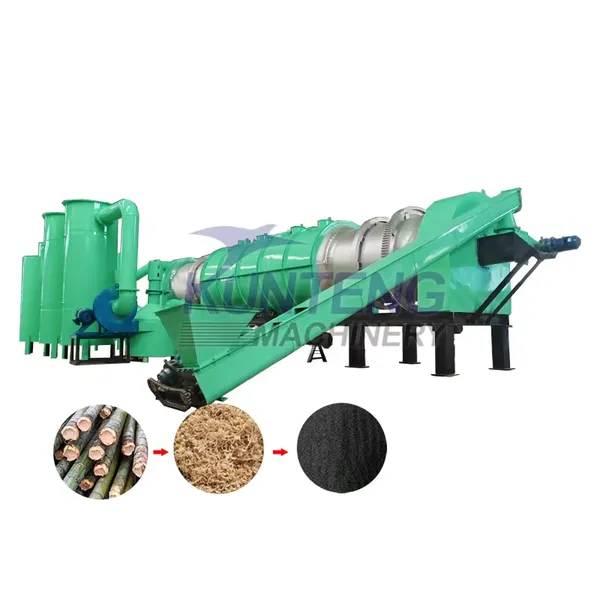
Eco-friendly Charcoal Making Machine Carbonization Furnace Continous Carbonization StoveNegotiableMOQ: 1 Set
-
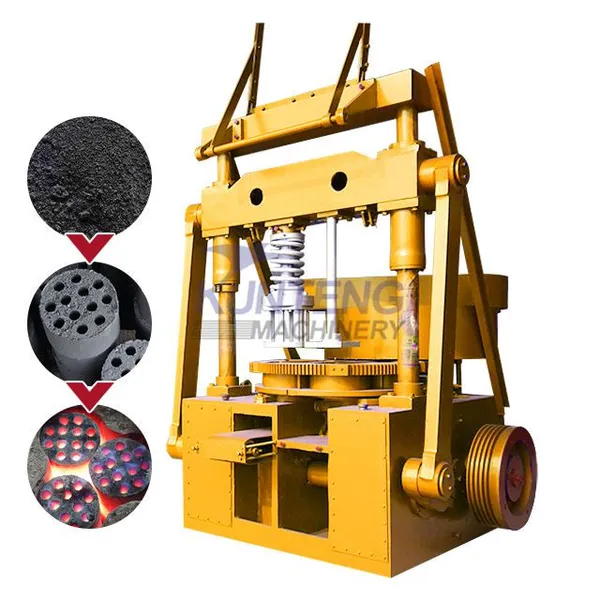
Coal Press Machine Can Customize Honeycomb Coal Forming Machine Commercial Forming MachineNegotiableMOQ: 1 Set
-
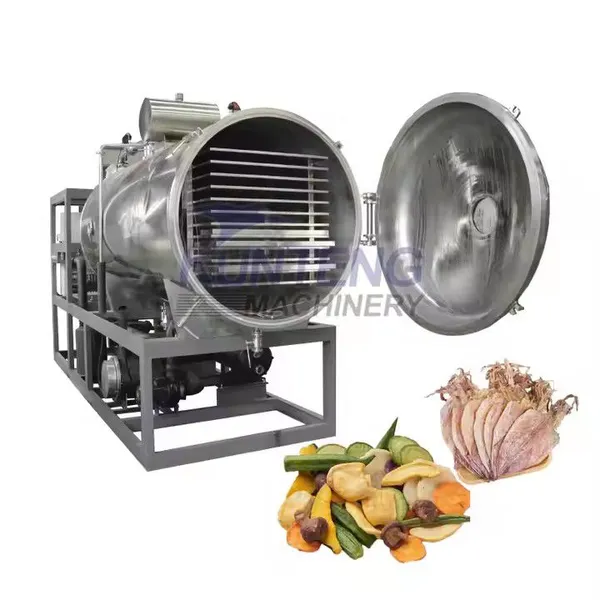
Large Commercial High Productivity Freeze Drier Dryer LyophilizerNegotiableMOQ: 1 Set
-
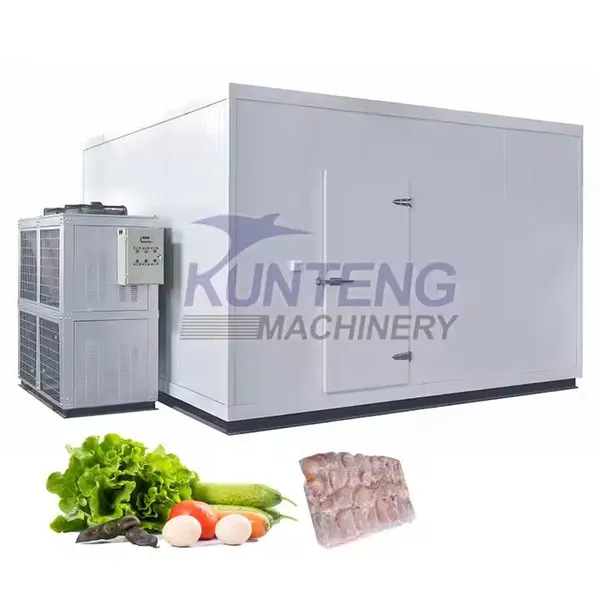
Monoblock Freezer Blower -18c Cold Storage Cold Room Kits CoolingNegotiableMOQ: 1 Set
-
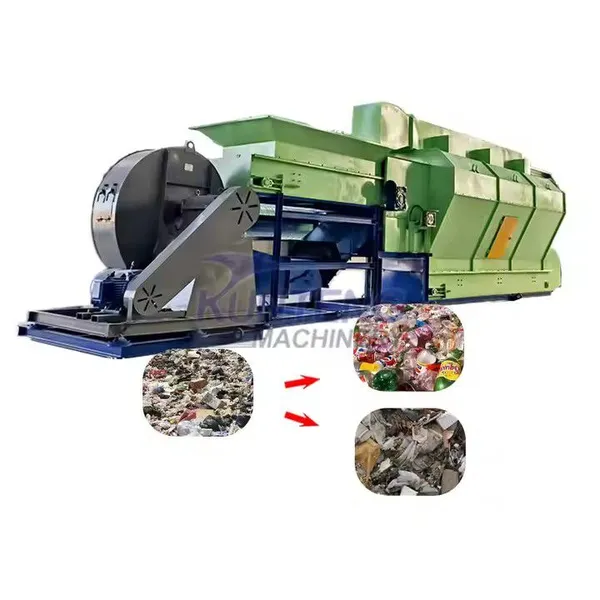
Professional Air Flow Separation Machines Air Separation System for Waste SortingNegotiableMOQ: 1 Set
-
Smokeless Waste Incineration Machine Garbage IncineratorNegotiableMOQ: 1 Set
-
Fruit and Vegetable Drying Processing Machine Grape Raisin Drying Machine Mango Dryer MachineNegotiableMOQ: 1 Set
-
Trommel Screen Machine Construction Waste Sorting EquipmemtsNegotiableMOQ: 1 Set
-
Municipal Solid Waste Converts to RDF Machines Waste Plastic to Fuel Machine Waste Recycling PlantNegotiableMOQ: 1 Set
-
High Capacity Teak Drying Chamber Timber Formwork Dry Machine Wood Drying EquipmentNegotiableMOQ: 1 Set
-
Smart Waste Plastic Crusher and Baler Machine Recycling Machine for Plastic Waste to Make BricksNegotiableMOQ: 1 Set
-
New Design Waste Separation Machine Trommel Screen Machine for Rubbish Garbage Sorting Plant LineNegotiableMOQ: 1 Set